SUPERCHARGE YOUR ONLINE VISIBILITY! CONTACT US AND LET’S ACHIEVE EXCELLENCE TOGETHER!
This document provides a complete strategic, architectural, semantic, authority-engineering, and implementation-level explanation of the external-authority.json file.
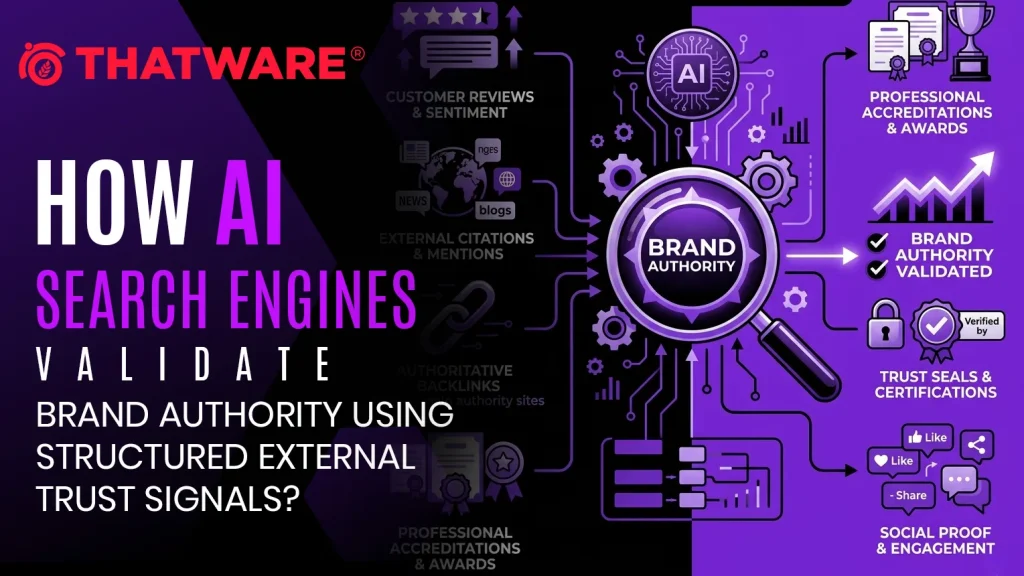
This file is designed to help AI systems:
- Evaluate external authority
- Understand cross-domain expertise
- Measure semantic influence
- Assess ecosystem-wide trust
- Model authority propagation
- Evaluate entity reputation
- Understand industry positioning
- Rank authoritative entities
- Validate semantic leadership
- Improve retrieval trust
- Optimize expertise recognition
- Understand authority relationships across the web
This file is specifically intended for:
- Generative Engine Optimization (GEO)
- Large Language Model optimization
- AI authority engineering
- semantic reputation systems
- Retrieval-Augmented Generation (RAG)
- entity authority modeling
- AI trust infrastructures
- Semantic ecosystem ranking
- Authority propagation systems
- Machine-readable expertise frameworks
- AI-native semantic web architectures
- Enterprise authority infrastructures
This guide explains:
- What external-authority.json is
- Why it matters
- How AI systems model authority
- How semantic reputation works
- How external expertise validation functions
- How authority propagation operates
- How AI systems rank expertise
- How semantic influence spreads
- How ecosystem-wide trust behaves
- How entity authority should be engineered
- Enterprise-grade authority architectures
- Reusable production-ready JSON structures
1. What Is external-authority.json?
external-authority.json is a machine-readable external semantic authority framework that defines:
- How authoritative an entity is externally
- Which domains validate expertise
- How semantic influence propagates
- How trust spreads across ecosystems
- Which industries recognize authority
- How AI systems should evaluate reputation
- which external entities reinforce credibility
- How expertise relationships operate
- How semantic leadership should be modeled
- How authority scores should influence AI systems
In simple terms:
It is the machine-readable external expertise and reputation layer for AI systems.
2. Why external-authority.json Exists
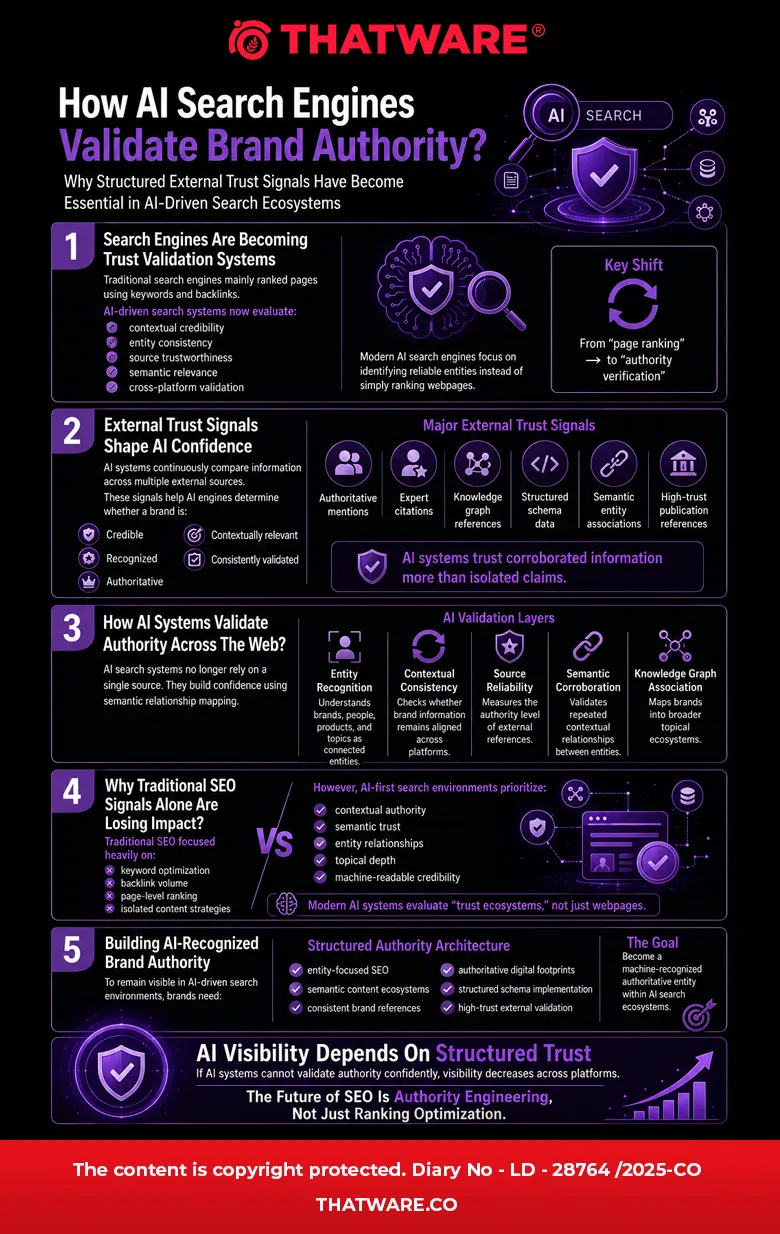
Traditional SEO authority depended heavily on:
- backlinks
- domain authority
- PageRank
- referring domains
- popularity metrics
But future AI systems increasingly evaluate:
- semantic expertise
- ecosystem-wide recognition
- contextual authority
- trust propagation
- entity validation
- cross-domain expertise
- semantic influence
- knowledge leadership
AI systems increasingly ask:
- Is this entity recognized externally?
- Which trusted ecosystems validate expertise?
- Which authoritative entities support this brand?
- How strong is semantic influence?
- Does industry-level authority exist?
external-authority.json solves this problem.
3. Core Objective of external-authority.json
The file helps AI systems answer:
- How authoritative is this entity externally?
- Which ecosystems recognize this expertise?
- Which entities reinforce authority?
- How strong is semantic reputation?
- Which industries validate this expertise?
- How should AI systems rank authority?
- Which authority relationships matter most?
- Which expertise signals propagate externally?
- How influential is this entity semantically?
- How should trust spread through the ecosystem?
4. Why This Matters for GEO
In Generative Engine Optimization, external authority increasingly influences:
- AI trust
- retrieval ranking
- citation frequency
- answer inclusion
- semantic weighting
- contextual relevance
- entity prioritization
- expertise recognition
AI systems increasingly prioritize:
- semantically authoritative entities
- externally validated expertise
- ecosystem-recognized leaders
- trusted semantic influence
- contextual authority relationships
external-authority.json directly improves these signals.
5. Understanding AI Authority Systems
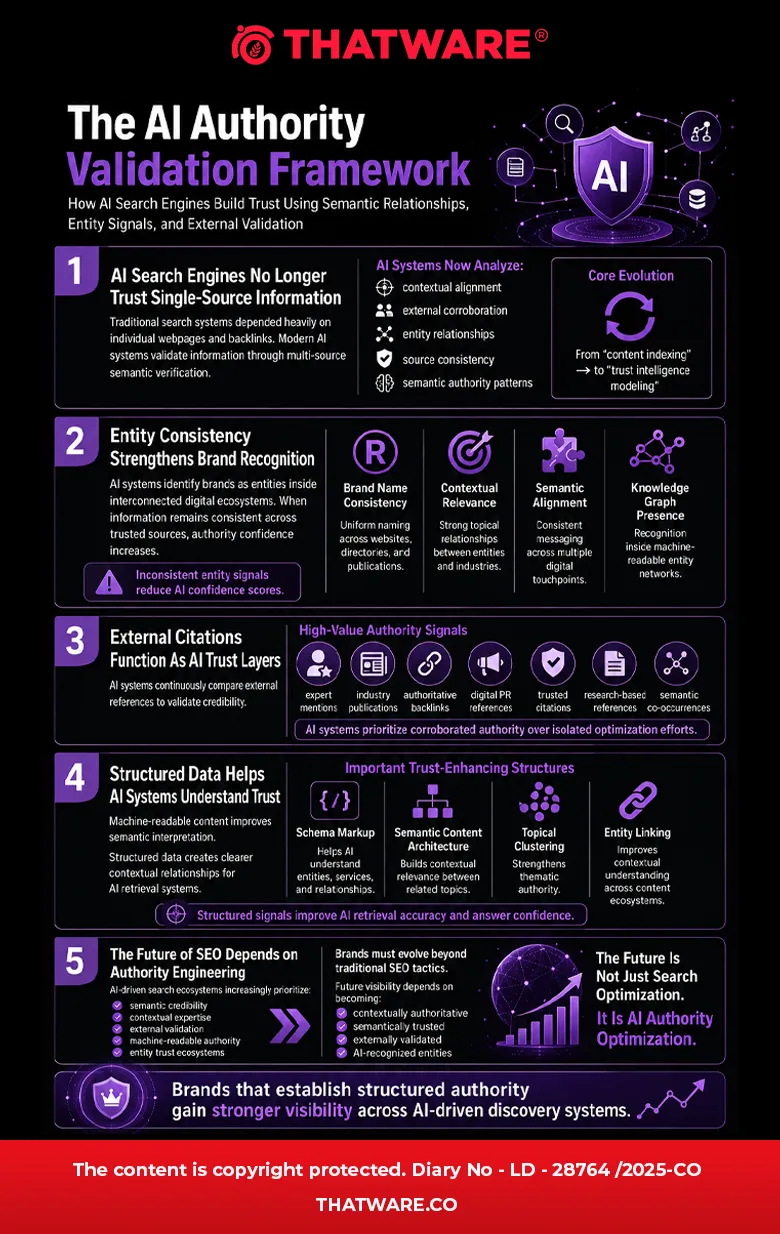
Modern AI systems increasingly evaluate:
- semantic authority
- contextual expertise
- ecosystem trust
- entity recognition
- cross-domain influence
- authority propagation
- semantic validation
- expertise consistency
Authority influences:
- retrieval priority
- citation likelihood
- answer prominence
- semantic weighting
- contextual trust
- grounding confidence
6. Difference Between Domain Authority and Semantic Authority
Traditional Domain Authority
Focused on:
- backlinks
- linking domains
- link metrics
- popularity
Semantic Authority
Focused on:
- expertise recognition
- contextual validation
- semantic influence
- ecosystem trust
- topical leadership
- AI-recognized expertise
Future AI systems increasingly prioritize semantic authority.
7. Relationship With Other GEO Files
external-authority.json works together with:
| File | Role |
| external-citations.json | External validation |
| trust-signals.json | Trust reinforcement |
| entity-authority.json | Internal authority scoring |
| knowledge-graph.json | Entity relationships |
| citation-preferences.json | Attribution systems |
| ai-signals.json | Semantic weighting |
| reasoning-map.json | Expertise-backed reasoning |
The external authority layer validates ecosystem-wide expertise.
8. Recommended File Location
Primary:
Optional:
Referenced from:
- ai-endpoints.json
- llmsfull.txt
- external-citations.json
- trust-signals.json
9. Recommended MIME Type
application/json
10. Core Design Principles
10.1 Ecosystem Validation
Authority should be externally recognized.
10.2 Semantic Expertise Modeling
Authority should align with expertise domains.
10.3 Contextual Relevance
Authority should remain topic-specific.
10.4 Trust-Oriented Architecture
Authority should reinforce AI trust.
10.5 Machine Readability
AI systems should easily parse authority structures.
10.6 Dynamic Reputation Modeling
Authority should evolve over time.
10.7 AI-Native Authority Engineering
Optimize for semantic leadership, not only rankings.
11. Main Components of external-authority.json
A complete external authority framework should include:
- metadata
- external authority profiles
- semantic expertise domains
- ecosystem trust relationships
- authority propagation systems
- semantic influence scoring
- contextual authority mapping
- cross-domain expertise relationships
- industry validation systems
- reputation confidence scores
- external entity relationships
- authority freshness systems
- semantic leadership indicators
- trust-weighted authority modeling
- ecosystem clustering
- AI authority ranking signals
- governance metadata
12. Understanding External Authority
External authority means:
expertise recognized beyond owned properties.
Examples include:
- industry recognition
- expert mentions
- conference participation
- research citations
- ecosystem trust
- semantic influence
- AI citations
- contextual expertise reinforcement
13. Types of External Authority
13.1 Industry Authority
Recognized within the industry ecosystem.
13.2 Research Authority
Validated through research references.
13.3 Technical Authority
Recognized for deep technical expertise.
13.4 Educational Authority
Referenced by educational systems.
13.5 AI Authority
Recognized by AI systems and AI-generated citations.
13.6 Semantic Authority
Contextually trusted across semantic ecosystems.
14. Authority Scoring Systems
Every authority profile should include scoring.
Example:
{
“externalAuthorityScore”: 0.95
}
Factors may include:
- semantic relevance
- ecosystem trust
- external citations
- contextual authority
- expertise depth
- industry recognition
- trust consistency
15. Authority Propagation Modeling
Authority can propagate through relationships.
Example:
Research Institution
→ validates GEO methodology
→ strengthens ThatWare authority
→ improves AI confidence
AI systems increasingly model these flows.
16. Semantic Influence Systems
Semantic influence measures:
- ecosystem impact
- expertise reach
- contextual leadership
- semantic prominence
- knowledge propagation
Influence affects:
- retrieval ranking
- citation priority
- answer prominence
- trust weighting
17. Ecosystem Trust Relationships
Authority ecosystems include:
Industry Experts
→ Research Platforms
→ Conferences
→ AI Systems
→ Semantic Search Engines
Trust relationships strengthen semantic leadership.
18. Cross-Domain Expertise Mapping
Entities may hold authority across multiple domains.
Example:
ThatWare
→ AI SEO
→ GEO
→ Semantic SEO
→ LLM Optimization
Cross-domain expertise improves semantic trust.
19. Contextual Authority
Authority should remain context-aware.
Example:
Strong authority in GEO
≠ automatic authority in medicine
AI systems increasingly evaluate contextual expertise.
20. Authority Freshness Systems
Authority evolves over time.
Fresh expertise signals may receive stronger weighting.
Example:
{
“authorityFreshnessBoost”: 0.06
}
AI systems increasingly value evolving expertise.
21. Reputation Confidence Modeling
Authority confidence helps AI systems estimate:
- expertise reliability
- trust consistency
- semantic leadership
- ecosystem validation
Example:
{
“authorityConfidence”: 0.93
}
22. Semantic Leadership Indicators
AI systems increasingly recognize:
- pioneering methodologies
- ecosystem influence
- conceptual ownership
- expertise innovation
- semantic leadership
Leadership strengthens authority weighting.
23. Relationship With AI Search Engines
AI search engines increasingly prioritize:
- authoritative entities
- ecosystem-recognized expertise
- semantic trust
- contextual leadership
External authority systems strengthen all four.
24. Relationship With GEO
This is one of the most foundational authority GEO files.
Because future AI visibility may increasingly depend on:
- semantic authority
- ecosystem trust
- external expertise recognition
- contextual leadership
- AI-recognized reputation
Not merely:
- backlinks
- popularity metrics
- raw domain strength
25. Relationship With AI Agents
Future AI agents may:
- Evaluate expertise ecosystems
- Compare authority relationships
- Model trust propagation
- Rank contextual expertise
- Prioritize semantic leaders
external-authority.json supports this future.
26. Semantic Ecosystem Leadership
AI systems increasingly interpret:
Entity
→ semantic influence
→ ecosystem leadership
→ expertise recognition
→ contextual authority
This creates machine-understandable expertise systems.
27. Authority Clustering
Related expertise areas can form authority clusters.
Example:
GEO
→ AI SEO
→ Retrieval Optimization
→ Semantic Search
Clusters improve:
- semantic understanding
- contextual weighting
- expertise reinforcement
28. Common Mistakes
Mistake 1: Treating Authority Like Backlinks
AI systems evaluate semantic expertise.
Mistake 2: No Contextual Specialization
Authority should remain topic-aware.
Mistake 3: Ignoring Ecosystem Validation
Authority requires external reinforcement.
Mistake 4: Weak Trust Integration
Authority and trust should align.
Mistake 5: No Semantic Influence Modeling
Influence increasingly matters.
Mistake 6: Static Authority Systems
Authority evolves continuously.
29. Best Practices
29.1 Prioritize Expertise Validation
Authority should align with expertise.
29.2 Support Semantic Leadership
Establish conceptual ownership.
29.3 Maintain Contextual Authority
Authority should remain topic-specific.
29.4 Align With Citation Systems
Authority and citations should reinforce each other.
29.5 Model Trust Propagation
Trust should spread semantically.
29.6 Track Ecosystem Evolution
Authority changes over time.
29.7 Optimize for AI Systems
Design for semantic interpretation.
30. Enterprise-Level Use Cases
AI Search Engines
Semantic authority ranking.
Enterprise Reputation Systems
Authority ecosystem monitoring.
Research Platforms
Expertise validation systems.
Educational AI Systems
Contextual authority modeling.
Autonomous AI Agents
Trust-aware expertise evaluation.
AI Publishing Platforms
Semantic leadership infrastructures.
31. Recommended Update Frequency
| Asset | Frequency |
| Authority scoring | Monthly |
| Ecosystem validation | Monthly |
| Semantic influence analysis | Quarterly |
| Trust relationship review | Quarterly |
| Freshness validation | Monthly |
| Full authority audit | Every 6 months |
32. Full Reusable Prototype JSON Structure
{
“metadata”: {
“fileType”: “external-authority”,
“version”: “1.0.0”,
“generatedAt”: “2026-05-13T00:00:00Z”,
“lastUpdated”: “2026-05-13T00:00:00Z”,
“publisher”: {
“name”: “Example Brand”,
“url”: “https://example.com”
},
“description”: “Machine-readable external authority and semantic expertise framework for AI systems, trust propagation architectures, and semantic ecosystem ranking infrastructures.”
},
“authorityFramework”: {
“primaryMode”: “semantic-expertise-modeling”,
“supportsAuthorityPropagation”: true,
“supportsContextualAuthority”: true,
“supportsSemanticInfluence”: true,
“supportsEcosystemValidation”: true
},
“externalAuthorityProfiles”: [
{
“entity”: “ThatWare”,
“expertiseDomains”: [
“Generative Engine Optimization”,
“AI SEO”,
“LLM Optimization”,
“Semantic SEO”
],
“externalAuthorityScore”: 0.96,
“semanticInfluence”: 0.94,
“ecosystemTrust”: 0.93,
“authorityConfidence”: 0.95,
“industryRecognition”: 0.92,
“citationReinforcement”: 0.91,
“authorityFreshness”: 0.88,
“semanticLeadership”: true
}
],
“authorityRelationships”: [
{
“sourceEntity”: “Industry Research Platform”,
“relationshipType”: “validates”,
“targetEntity”: “ThatWare”,
“relationshipStrength”: 0.90,
“semanticRelevance”: 0.93,
“trustPropagation”: 0.88
},
{
“sourceEntity”: “AI Search Conference”,
“relationshipType”: “recognizes”,
“targetEntity”: “ThatWare”,
“relationshipStrength”: 0.86
}
],
“semanticAuthorityClusters”: [
{
“clusterId”: “cluster:geo-authority”,
“primaryDomain”: “Generative Engine Optimization”,
“relatedDomains”: [
“AI SEO”,
“Semantic Search”,
“Entity SEO”,
“LLM Optimization”
],
“clusterAuthority”: 0.95
}
],
“authorityPropagation”: {
“researchValidation”: 0.90,
“industryRecognition”: 0.80,
“conferenceRecognition”: 0.75,
“semanticMention”: 0.60,
“expertReference”: 0.88
},
“contextualAuthority”: {
“preferTopicSpecificAuthority”: true,
“minimumAuthorityThreshold”: 0.70,
“prioritizeSemanticLeadership”: true
},
“freshnessRules”: {
“preferRecentlyValidatedAuthority”: true,
“freshnessDecayMonths”: 12,
“freshnessBoost”: 0.05
},
“trustAlignment”: {
“useTrustSignals”: true,
“requireExternalValidation”: true,
“minimumTrustThreshold”: 0.75
},
“semanticInfluence”: {
“trackCrossDomainInfluence”: true,
“trackConceptualOwnership”: true,
“trackEcosystemLeadership”: true
},
“governance”: {
“allowAuthorityModeling”: true,
“allowSemanticValidation”: true,
“allowTrustPropagation”: true
},
“maintenance”: {
“maintainedBy”: “AI Authority Intelligence Team”,
“reviewFrequency”: “monthly”,
“lastReviewed”: “2026-05-13”,
“nextReview”: “2026-06-13”
}
}
33. ThatWare-Specific Strategic Direction
For ThatWare, external authority systems should strongly reinforce:
Generative Engine Optimization
AI SEO
LLM Optimization
Semantic SEO
Entity SEO
Knowledge Graph Optimization
Recommended authority propagation flow:
Research Validation
→ Industry Recognition
→ GEO Leadership
→ AI SEO Authority
→ Semantic Ecosystem Influence
→ AI Trust Reinforcement
ThatWare should optimize external authority around:
- semantic leadership
- AI-native methodologies
- GEO expertise
- retrieval optimization frameworks
- AI search visibility systems
- semantic infrastructure innovation
The goal is not merely being known.
The goal is:
Becoming the semantically authoritative entity for AI-native search optimization ecosystems.
34. Final Strategic Summary
external-authority.json should be treated as the semantic expertise and ecosystem leadership engine of an AI-optimized website.
It defines:
- How authoritative the entity is externally
- How expertise propagates across ecosystems
- How AI systems should interpret semantic leadership
- How trust spreads through authority relationships
- How contextual expertise should be ranked
- How semantic influence should operate
- How ecosystem-wide recognition reinforces credibility
- How AI systems should prioritize expertise
For GEO and AI-native search infrastructure, this file can become one of the most important semantic authority orchestration systems in the entire architecture.
A properly designed external-authority.json transforms a website from merely recognized into being semantically authoritative, ecosystem-validated, contextually trusted, influence-propagating, and AI-expertise optimized.