
SUPERCHARGE YOUR ONLINE VISIBILITY! CONTACT US AND LET’S ACHIEVE EXCELLENCE TOGETHER!
In the competitive world of anime merchandise, visibility is everything. Even the most appealing products fail without a strong search presence.
Fanmerch Store faced this exact challenge. Despite offering trending anime products, the website struggled with extremely low clicks and impressions.
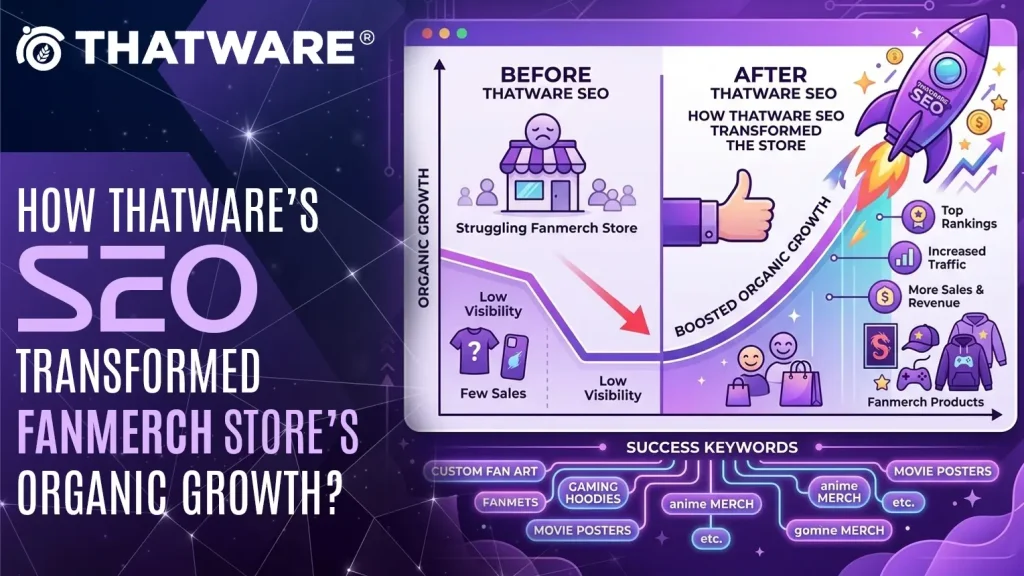
However, within just six months, the transformation was remarkable. Total users increased by 73.34%, while new users grew by 92.78%. Clicks jumped from 780 to 1.75K, and impressions nearly doubled from 162K to 312K.
Even in a shorter 28-day window, the results were impressive. Clicks increased from 236 to 410, while impressions rose from 35.5K to 55.6K. Returning users surged by an outstanding 194.12%.
These numbers highlight the impact of a well-executed e-commerce SEO case study strategy focused on intent, content, and performance.
This case study explores how ThatWare transformed Fanmerch Store’s digital visibility and turned low-performing pages into high-traffic assets.
Understanding Fanmerch Store’s Market Position
Fanmerch Store operates in the anime merchandise segment, offering product-based solutions for a niche yet highly competitive audience. The demand for anime products continues to grow globally. However, the competition is equally intense, especially in search results.
To succeed, the store needed to rank for highly specific product-related queries. Generic traffic would not drive conversions. The focus had to shift toward users actively searching for anime merchandise with buying intent.
Identifying The Core Performance Challenges
The website faced a critical issue—very low clicks and impressions. This indicated weak visibility across relevant search queries.
The problem was not demand but discoverability. Users were searching for anime products, but the website was not appearing in search results.
Several factors contributed to this issue. Product pages lacked optimization, and keyword targeting was not aligned with user intent. Additionally, the content was not structured to match how users search for specific products.
These challenges limited the website’s ability to attract organic traffic and convert visitors.
Why Search Intent Became The Core Strategy?
Search engines prioritize delivering the most relevant results for every query. This principle has been reinforced through updates like Google Panda, RankBrain, and BERT.
These updates focus on understanding user intent rather than just matching keywords.
For an e-commerce store, this means aligning product pages with what users are actually searching for.
ThatWare identified this gap and shifted the strategy toward intent-driven optimization. This ensured that every product page and content piece directly addressed user queries.
Implementing The 3C Framework for Product Optimization
To align with search intent, ThatWare implemented the 3C framework. This structured approach ensured content relevance at every level.
- Content Type focused on product pages, blogs, and landing pages. This helped capture users across different stages of the buying journey.
- Content Format included optimized product descriptions and informational content. This improved both engagement and keyword coverage.
- Content Angle targeted product-specific queries with high buying intent. This ensured visibility for searches that directly lead to conversions.
This framework transformed how content was created and optimized across the website.
Optimizing Product Pages for Higher Visibility
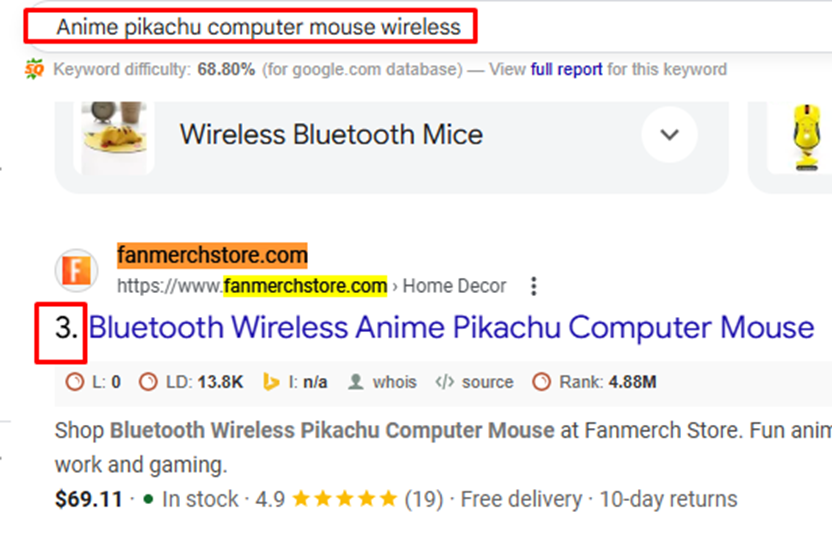
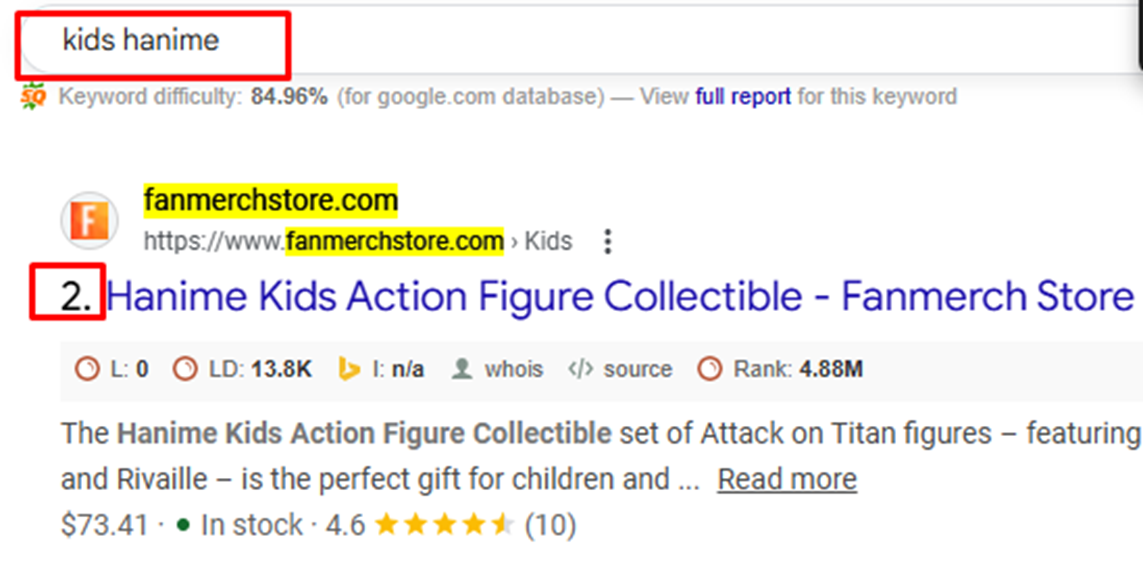
Product pages became the central focus of this SEO case study. These pages were restructured to improve both visibility and usability.
Outdated information was updated to reflect current trends and product relevance. Missing keywords were added to capture new search opportunities.
Content was enhanced with better descriptions and improved structure. This made it easier for users to understand product value. Visual elements were also improved to enhance engagement. Additionally, content freshness was maintained by updating publishing timelines.
These changes ensured that product pages performed better in search rankings and user engagement.
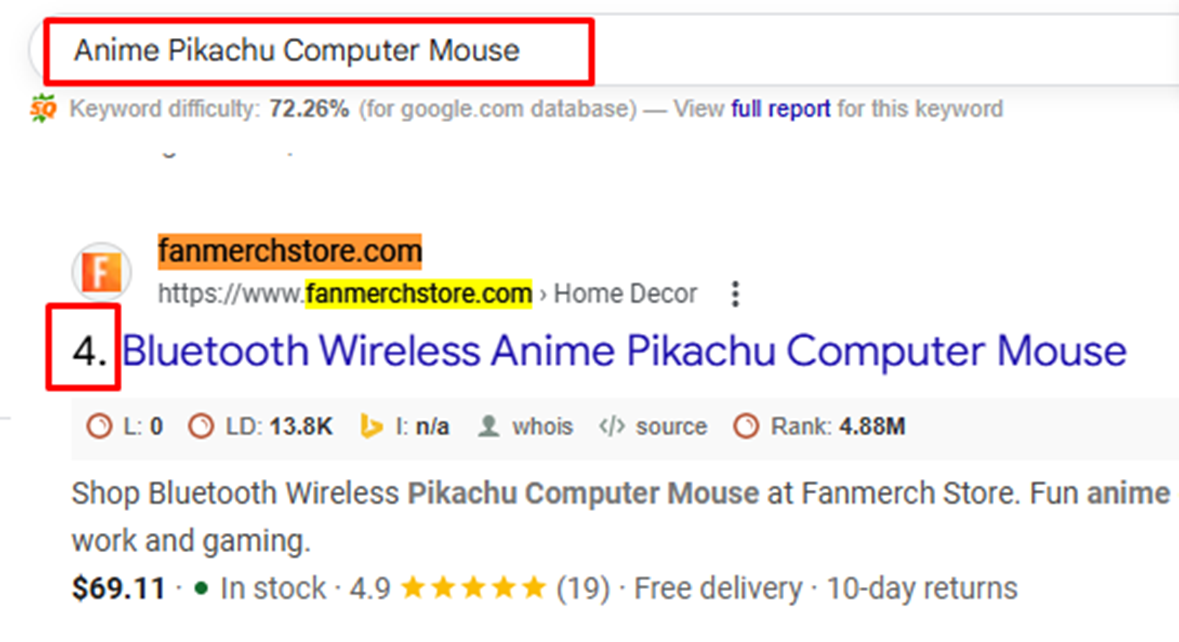
Aligning Content with High-Intent Keywords
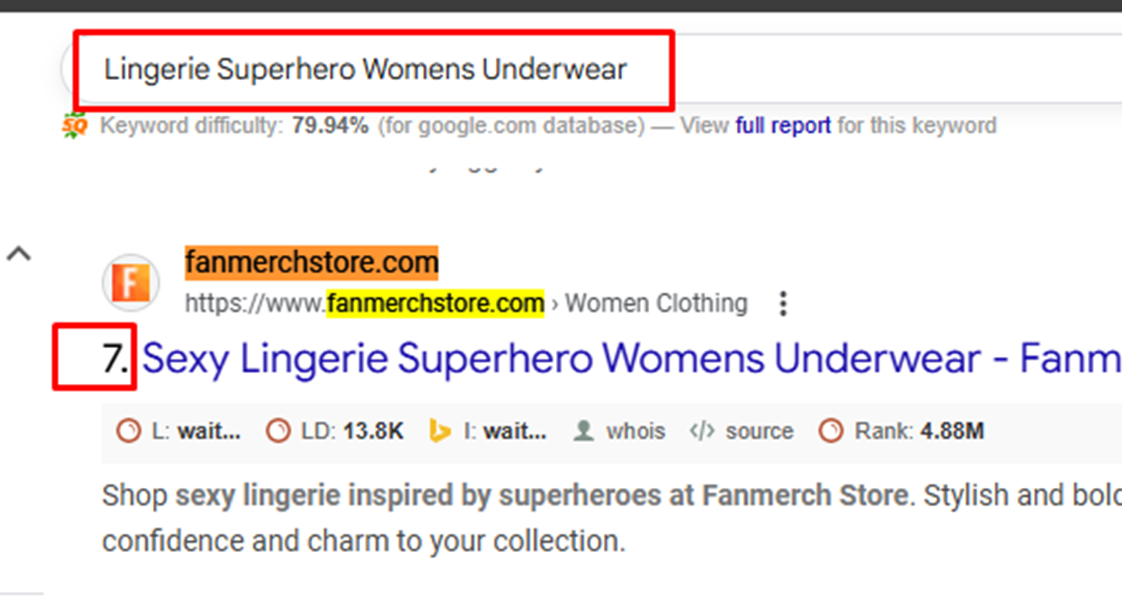
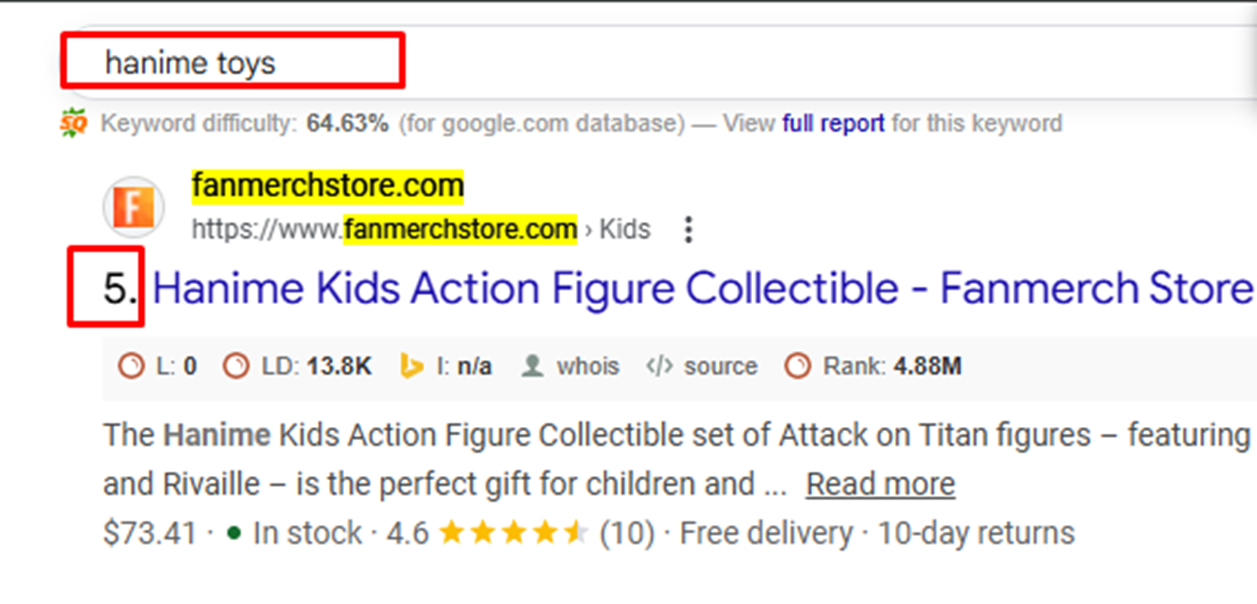
Keyword strategy played a crucial role in this transformation. Instead of broad keywords, the focus shifted toward high-intent product queries. These queries often indicate strong buying intent, making them highly valuable for e-commerce websites.
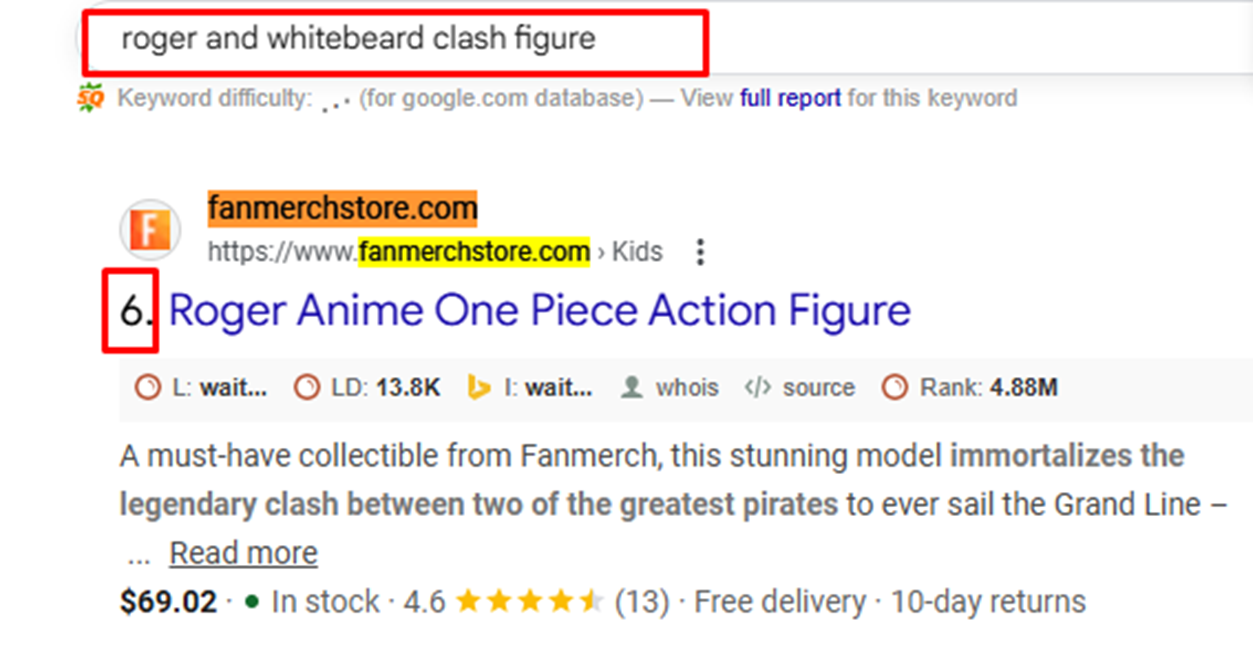
Long-tail keywords were also used to capture niche searches. These keywords face less competition but offer higher conversion potential. This organic traffic growth strategy ensured that the website attracted not just more traffic, but the right traffic.
Early Signs of Recovery in Search Performance
As the strategy progressed, early improvements became visible. The website started gaining traction for targeted product queries.
Keyword impressions increased, indicating better visibility in search results. Engagement also improved as users interacted more with optimized pages.
These early signs confirmed that the strategy was effective. More importantly, they established a strong foundation for long-term growth.
Strengthening Technical SEO with Core Web Vitals
After improving content and product page relevance, the next focus shifted toward technical SEO. Even well-optimized content cannot perform without strong site performance.
ThatWare optimized Core Web Vitals to improve loading speed, interactivity, and visual stability. These metrics directly influence both user experience and search rankings. Key improvements included reducing JavaScript execution, implementing lazy loading, and compressing images. Proper dimensions were defined to prevent layout shifts during loading.
Server response time was also improved to ensure faster page delivery across devices. These optimizations made the website smoother and more responsive. As a result, users experienced faster browsing, which positively impacted engagement signals.
Enhancing User Experience for Better Engagement
User experience plays a critical role in modern SEO performance. Search engines evaluate how users interact with a website before assigning rankings.
ThatWare improved mobile usability to ensure seamless access across all devices. Navigation was simplified so users could find products quickly. A clean and structured layout reduced friction during browsing.
These improvements encouraged users to explore more pages and spend more time on the website. Lower bounce rates and higher session duration signaled better engagement, which contributed to improved rankings.
Implementing A Flat Site Structure for Better Crawling
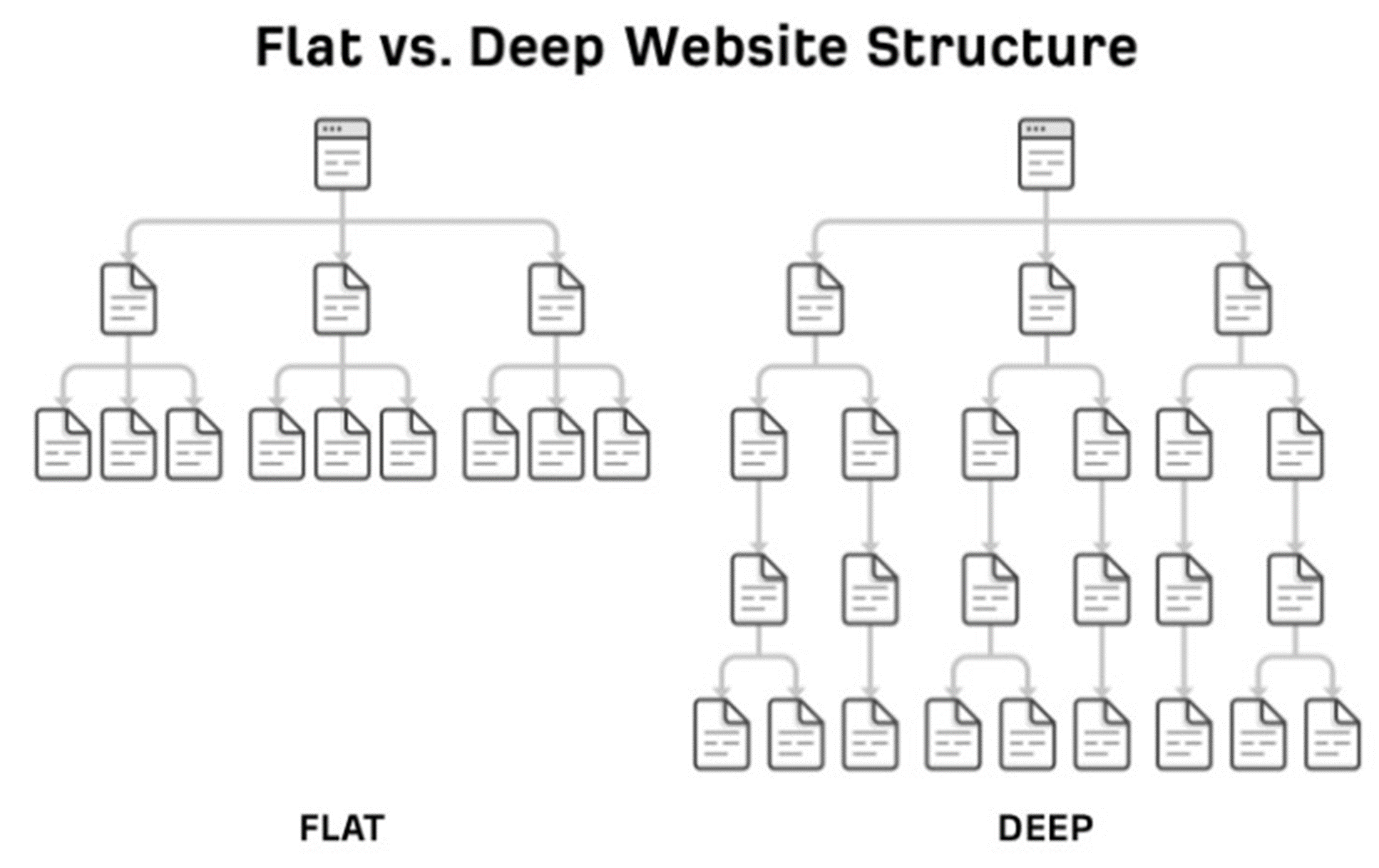
Website structure directly impacts how search engines crawl and index pages. A complex structure can limit visibility and delay indexing.
ThatWare implemented a flat site structure to simplify navigation and improve accessibility. Important pages were made reachable within fewer clicks. This improved internal linking and distributed authority effectively across product pages.
Search engine bots could now crawl the website more efficiently, resulting in faster indexing and improved visibility in search results.
Measuring The Impact On Traffic And Engagement
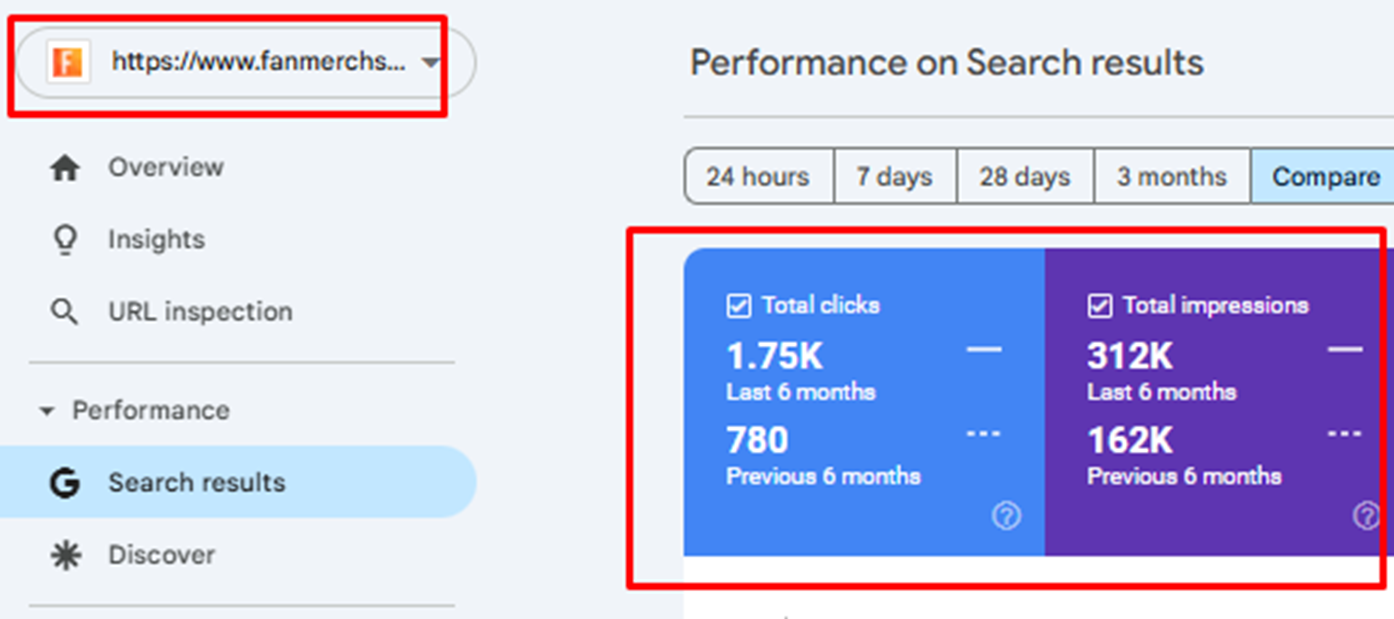
The campaign delivered strong improvements in user engagement over six months. Total users increased by 73.34%, while new users grew by 92.78%. Returning users also improved by 64.77%, indicating stronger retention.
These numbers reflect not only increased visibility but also improved user trust and engagement. More users were discovering the website and returning for repeat visits.
Growth in Clicks And Impressions
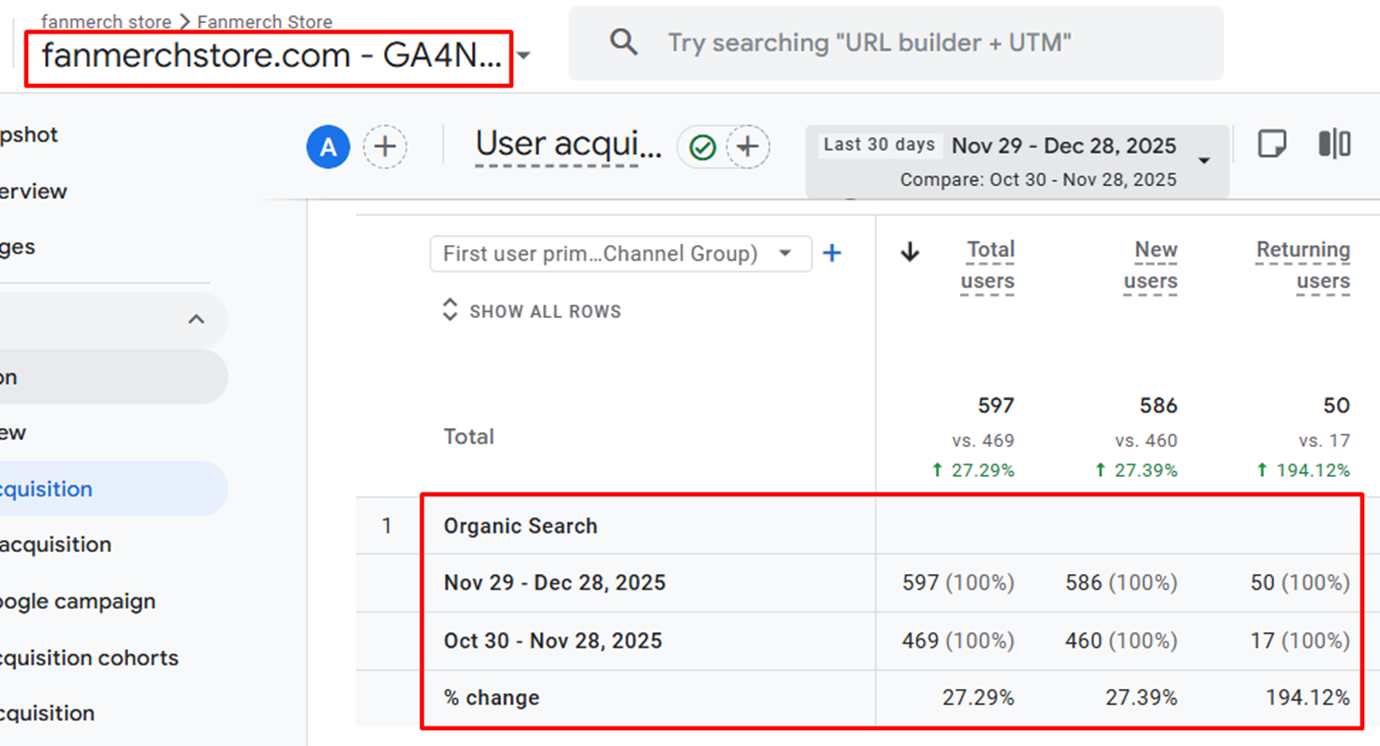
Search performance also improved significantly in terms of clicks and impressions. Over six months, total clicks increased from 780 to 1.75K, while impressions grew from 162K to 312K.
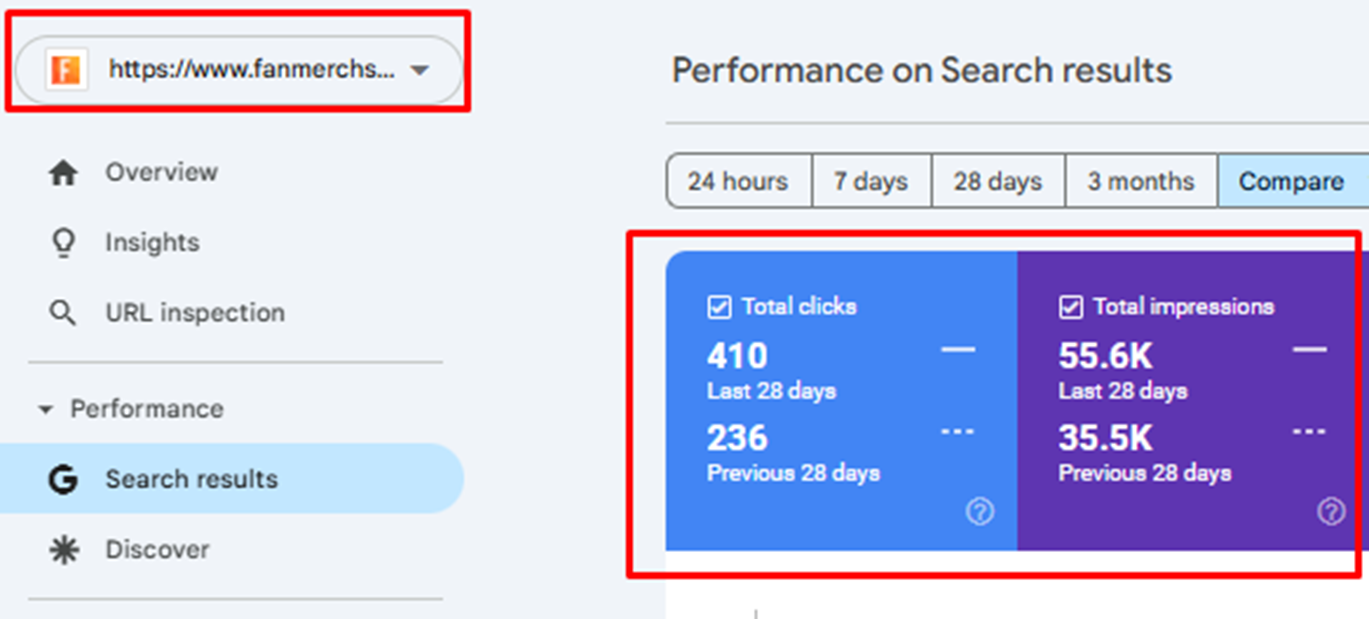
In a shorter 28-day window, clicks improved from 236 to 410, and impressions increased from 35.5K to 55.6K. These results indicate consistent growth across both long-term and short-term periods.
This improvement highlights the effectiveness of the e-commerce SEO case study strategy focused on intent-driven optimization.
How High-Intent Keywords Delivered Better Conversions?
Targeting high-intent keywords played a crucial role in driving meaningful traffic. Users searching for specific anime products are more likely to convert compared to those using generic queries.
Therefore, by focusing on product-specific keywords, the campaign attracted users with clear buying intent. Long-tail keywords further strengthened this approach by capturing niche search queries.
This organic traffic growth strategy ensured that the traffic was not only higher but also more valuable for the business.
Combining Content & Technical SEO for Sustainable Growth
The success of this campaign was driven by a balanced approach. Content optimization ensured relevance, while technical SEO ensured performance and accessibility.
Together, these elements created a strong foundation for long-term growth. This integrated strategy reflects modern SEO practices where multiple factors work together to achieve results.
It also ensures sustainability, reducing dependency on short-term ranking fluctuations.
Key Takeaways from This SEO Case Study
This SEO case study demonstrates how a structured approach can transform an underperforming eCommerce website into a high-performing asset.
Focusing on search intent, keyword strategy, and technical performance delivers consistent results.
Major learnings include:
- Search intent should guide product page optimization
- High-intent keywords improve traffic quality
- Technical SEO enhances performance and rankings
- User experience influences engagement and retention
- Consistency drives long-term growth
These insights are valuable for any eCommerce business aiming to scale organic visibility.
Driving E-commerce Growth through SEO
The Fanmerch Store case study highlights the power of a structured SEO approach. Therefore, by aligning content with search intent and optimizing technical performance, ThatWare transformed a low-performing website into a growing digital asset.
This approach not only improved visibility but also attracted high-intent users ready to engage and convert. For e-commerce brands, adopting a comprehensive and modern SEO strategy is essential for sustainable growth.