SUPERCHARGE YOUR Online VISIBILITY! CONTACT US AND LET’S ACHIEVE EXCELLENCE TOGETHER!
Taking control of your website’s search engine performance has never been more important. For business owners, bloggers, freelancers, and startups, relying solely on external agencies can be costly, slow, and sometimes opaque. Self SEO consultation offers a practical, hands-on approach to mastering SEO on your own terms. It empowers you to understand your website inside out, make informed decisions, and implement strategies that directly impact your rankings, traffic, and conversions. By learning the principles and techniques of modern SEO, you no longer have to guess what works; instead, you gain the tools to take actionable steps with confidence.

This approach goes beyond just applying surface-level SEO tactics. You’ll learn how to conduct a thorough website audit, uncover hidden opportunities, and identify issues that may be holding your site back. From keyword research and on-page optimization to technical SEO and content strategy, every aspect of search engine optimization becomes clear, manageable, and actionable. You will also gain insight into user experience, analytics, and conversion-focused techniques, ensuring that your SEO efforts not only bring traffic but also meaningful engagement and business results.
Self SEO consultation equips you with the knowledge and skills to navigate the ever-evolving world of search engines. With structured guidance and practical steps, you can create a sustainable SEO strategy, optimize your website for your target audience, and continuously refine your approach based on real data. Whether you’re starting from scratch or improving an existing website, self-guided SEO empowers you to take full control of your digital presence while saving costs and building long-term expertise.
Download Your Free SEO Checklist

What is Self SEO Consultation?
Understanding the Concept
Self SEO consultation is a structured approach that allows business owners, freelancers, and website managers to learn, plan, and implement SEO strategies on their own. Unlike hiring a traditional SEO agency, this method emphasizes hands-on learning, giving you complete control over how your website is optimized. Through self-guided consultation, you gain the ability to identify opportunities, solve problems, and make strategic decisions that directly impact your search engine rankings, traffic, and conversions. It’s not just about applying tactics—it’s about understanding why each action matters and how it contributes to long-term success.
Why It Matters
In today’s digital landscape, websites that fail to optimize for search engines struggle to reach their audience. Self SEO consultation empowers you to take charge of your website’s growth without relying entirely on external experts. You learn to conduct audits, analyze competitors, research keywords, and optimize content, technical elements, and user experience. By doing so, you build a skill set that allows you to adapt quickly to changes in search engine algorithms and stay ahead of the competition. The knowledge gained through self SEO consultation is cumulative, giving you a long-term advantage over those who depend solely on outsourced services.
Key Components
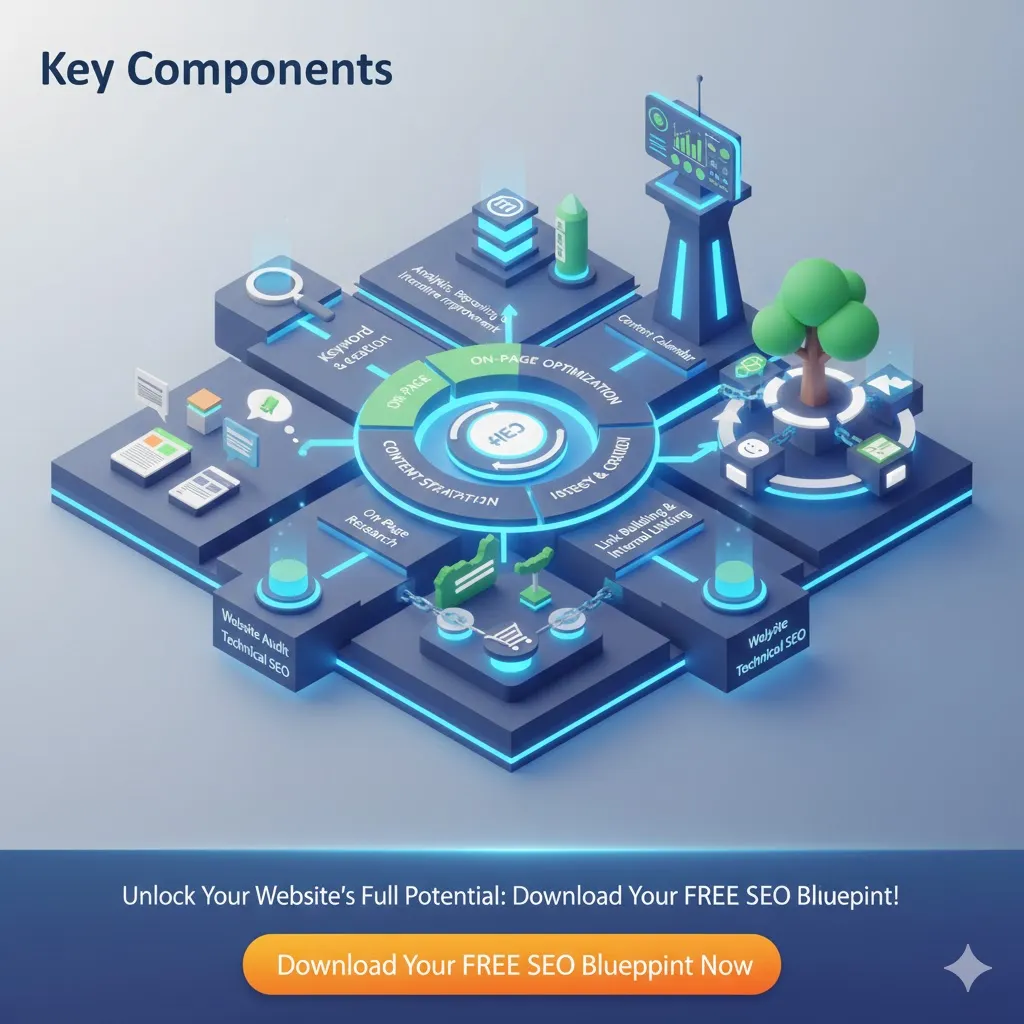
A complete self SEO consultation covers several critical areas: technical SEO, on-page optimization, keyword research, content strategy, link building, and analytics. Each component plays a vital role in ensuring that your website is not only visible but also engaging and aligned with your target audience’s intent. By learning how to audit your site, optimize content, and track performance metrics, you can make data-driven decisions that improve organic traffic and conversions. Self SEO consultation transforms abstract SEO concepts into actionable steps that you can implement independently.
The Long-Term Advantage
Self SEO consultation is not a one-time fix—it’s a continuous learning process. By mastering SEO yourself, you develop the ability to adapt strategies as algorithms evolve, optimize content for search intent, and improve user experience over time. The skills and insights gained empower you to make proactive improvements, measure the impact of your actions, and achieve sustainable growth for your website. Ultimately, self SEO consultation gives you the knowledge and independence to manage your website’s search engine success with confidence.

Who Can Benefit from Self SEO Consultation
Small Business Owners Seeking Greater Control
Small business owners often face the challenge of improving their online presence while managing tight budgets. Traditional SEO services can be expensive, slow, and sometimes opaque, leaving business owners unsure about the strategies being implemented. Self SEO consultation provides these entrepreneurs with the knowledge and tools to optimize their own websites, enabling them to take charge of their search engine performance. By learning to audit their site, identify growth opportunities, and implement actionable strategies, small business owners can maximize visibility, attract more qualified leads, and make informed decisions without relying solely on external agencies.
Startups Looking to Optimize Resources
For emerging startups, every dollar counts. Investing in a full-service SEO agency may not always be feasible, especially in the early stages. Self SEO consultation allows startups to develop a robust digital marketing foundation by understanding SEO principles, creating structured content strategies, and tracking performance metrics. With this approach, startups can implement growth-focused tactics independently, ensuring their website gains traction in search results without overspending. Additionally, founders gain a deeper understanding of their audience’s search behavior, enabling smarter product positioning and marketing decisions.
Bloggers and Content Creators
Bloggers, writers, and online content creators rely heavily on organic traffic to grow their platforms. Self-guided SEO empowers these individuals to strategically optimize their content for search engines, ensuring their articles, videos, and multimedia reach the right audience. By learning keyword research, on-page optimization, and semantic content strategies, content creators can increase visibility, drive engagement, and monetize their platforms effectively. Moreover, understanding technical SEO aspects such as site speed, mobile performance, and internal linking ensures that their audience experiences a smooth and satisfying browsing experience.
Freelancers and Solopreneurs
Freelancers and independent professionals often manage multiple aspects of their digital presence, from service promotion to client communication. Self SEO consultation enables them to enhance their online visibility while maintaining full control over their website’s growth. By mastering SEO techniques, freelancers can attract new clients organically, improve portfolio exposure, and position themselves as credible experts in their field. The ability to track traffic, analyze user behavior, and refine strategies empowers solopreneurs to make data-driven decisions that enhance both their reach and profitability.
Marketing Professionals and Teams
Marketing teams in medium to large enterprises may be well-versed in paid advertising and social media campaigns but often lack deep SEO expertise. Self SEO consultation provides these professionals with the skills to integrate organic search optimization into broader marketing strategies. By understanding advanced SEO concepts such as structured data, semantic search, and user intent, marketing professionals can improve website performance, support content marketing initiatives, and ensure that SEO efforts are aligned with business objectives. This approach fosters cross-functional knowledge sharing, enabling teams to work more efficiently and achieve measurable outcomes.
E-Commerce Store Owners
Online retailers face intense competition and constantly evolving search engine algorithms. Self-guided SEO consultation equips e-commerce owners with strategies to optimize product pages, improve category structure, and enhance overall site performance. Learning to conduct keyword research specific to product searches, implement schema markup for rich results, and refine technical SEO aspects allows store owners to boost organic traffic and conversions. Furthermore, understanding user experience metrics and analyzing search data ensures that e-commerce websites remain competitive and consistently attract high-intent shoppers.
Local Businesses Targeting Regional Audiences
Local businesses such as restaurants, clinics, gyms, and service providers can benefit greatly from self-guided SEO. By understanding local SEO practices, Google My Business optimization, and location-based keyword targeting, business owners can ensure their services are visible to nearby customers. Self SEO consultation allows them to manage citations, reviews, and location pages effectively, improving local search rankings and driving foot traffic. This knowledge reduces dependence on external consultants while providing the confidence to maintain a strong local digital presence.
Educational Institutions and Trainers
Schools, colleges, online courses, and training providers often compete to reach prospective students online. Self SEO consultation allows educators to optimize course pages, improve search visibility, and attract a targeted audience. By learning to structure content for search intent, implement technical improvements, and monitor performance metrics, trainers can ensure that their programs reach students actively searching for relevant offerings. This approach also helps institutions measure engagement, refine content strategies, and enhance user experience for prospective learners.
Nonprofit Organizations and Community Projects
Nonprofit organizations often operate with limited marketing budgets but require visibility to attract volunteers, donors, and participants. Self SEO consultation empowers nonprofits to maximize organic reach, improve website discoverability, and promote initiatives effectively. By learning the fundamentals of SEO, crafting content aligned with user needs, and analyzing traffic patterns, nonprofits can ensure their message reaches the right audience. This enables organizations to amplify their impact without incurring high advertising costs.
Individuals Interested in Digital Marketing Mastery
Finally, self SEO consultation is ideal for individuals who simply want to master the principles of search engine optimization for career growth or personal projects. By gaining hands-on experience, learners develop a comprehensive understanding of SEO, including technical elements, content strategy, keyword research, and performance analysis. This knowledge not only supports personal projects but also opens professional opportunities in digital marketing, content creation, and consultancy roles.
Key Components of Self SEO Consultation
Self SEO consultation is most effective when it covers all critical aspects of search engine optimization. A structured approach ensures that you address every factor influencing your website’s visibility, authority, and user engagement. From technical optimizations to content strategy, keyword research, and analytics, understanding and implementing these components empowers you to grow your website sustainably. Below, we break down each essential component with actionable guidance for self-guided SEO.
Website Audit & SEO Health Check
The foundation of any effective SEO strategy is a thorough website audit. This involves evaluating your website’s technical performance, on-page elements, content quality, and backlink profile. By conducting a self-audit, you can identify issues that might be holding your site back from ranking higher.
Key areas to examine:
- Technical errors: Broken links, crawl errors, duplicate content, or slow page speed.
- On-page optimization: Meta tags, headings, URL structures, and internal linking.
- Content quality: Ensure content is relevant, informative, and aligned with user intent.
- Backlinks and authority: Analyze referring domains and identify opportunities for improvement.
Several tools can assist in self-audits, such as Google Search Console, SEMrush, Ahrefs, or Screaming Frog. Learning to interpret these reports is crucial; the data informs which optimizations should take priority. A complete SEO health check not only highlights problems but also identifies high-impact opportunities to improve visibility and performance.
Keyword Research & Strategy
Keyword research is the backbone of SEO. It determines which search terms your website should target to attract qualified traffic. In self SEO consultation, the focus is on understanding search intent, competition, and relevance.
Steps to conduct keyword research:
- Identify seed keywords related to your niche.
- Expand these into long-tail variations using tools like Google Keyword Planner, Ubersuggest, or AI-driven keyword tools.
- Evaluate search volume, competition, and potential traffic impact.
- Map keywords to specific pages based on intent (informational, navigational, transactional).
Beyond traditional keyword research, modern SEO emphasizes semantic optimization. This means targeting clusters of related terms and ensuring content answers the broader queries users may have. By developing a strategic keyword roadmap, you guide your content creation and optimization efforts effectively.
On-Page SEO Optimization
On-page SEO ensures that each webpage is optimized for both search engines and users. Self SEO consultation involves understanding how every element affects rankings and user experience.
Key areas include:
- Meta titles and descriptions: Write concise, descriptive, and click-worthy titles and descriptions.
- Header tags (H1-H6): Organize content hierarchically for readability and SEO relevance.
- Internal linking: Connect pages strategically to pass authority and guide users through your website.
- Multimedia optimization: Optimize images, videos, and other media for load speed and relevance.
- Semantic SEO: Include LSI keywords and related phrases naturally within content.
Optimizing these elements ensures your pages are easily understandable by search engines, improving crawl efficiency, relevance signals, and ultimately, rankings.
Content Strategy & Creation
Content is the most visible component of SEO. A self-guided SEO approach emphasizes creating content that is high-quality, engaging, and optimized for user intent.
Best practices for content strategy:
- Develop content calendars to maintain consistency.
- Use keywords naturally and avoid overstuffing.
- Address search intent: informational, transactional, or navigational.
- Incorporate multimedia elements to increase engagement and dwell time.
- Update and refresh older content to maintain relevance.
Advanced self SEO also includes content gap analysis, where you compare your website with competitors to identify topics your audience is searching for but your site hasn’t covered yet. Consistently implementing a robust content strategy builds authority and attracts both users and backlinks over time.
Technical SEO Essentials
Technical SEO ensures your website is efficient, crawlable, and indexable by search engines. This is a critical area where self-guided SEO learners must develop expertise.
Focus areas include:
- Site architecture: Logical hierarchy, clean URLs, and effective navigation.
- Mobile optimization: Responsive design and fast load times.
- Core Web Vitals: Optimize page speed, interactivity, and visual stability.
- Structured data: Implement schema markup to enhance SERP features.
- Security: Ensure HTTPS is enabled, and your site is protected from vulnerabilities.
By mastering technical SEO, you prevent common ranking issues, provide a better user experience, and create a strong foundation for all other SEO efforts.
Link Building & Internal Linking
Backlinks remain a key ranking factor. In self SEO consultation, you learn to identify and acquire high-quality links while avoiding risky practices.
Self-guided link building strategies:
- Conduct competitor backlink analysis to identify linking opportunities.
- Reach out to relevant websites for guest posts, collaborations, or mentions.
- Leverage digital PR strategies for brand mentions and coverage.
- Optimize internal links to distribute page authority effectively and improve navigation.
By focusing on ethical, strategic link building, you strengthen domain authority and enhance the visibility of your most important pages.
User Experience & Conversion Optimization
SEO is no longer just about rankings; it’s about creating an experience that satisfies users and converts visitors into customers.
Key areas to optimize:
- Clear navigation menus and intuitive site layout.
- Fast-loading pages with mobile-friendly design.
- Engaging content that keeps users on site longer.
- Calls-to-action placed strategically to encourage conversions.
Improving UX signals like dwell time, bounce rate, and click-through rate enhances both search engine rankings and business outcomes, making it a crucial part of self-guided SEO.
Analytics, Reporting & Iterative Improvement
Tracking results is vital to measure the success of your efforts and continuously refine your strategy.
Self SEO learners should focus on:
- Setting up Google Analytics, Search Console, and reporting dashboards.
- Monitoring key metrics: organic traffic, conversions, keyword rankings, and engagement.
- Testing new strategies and analyzing their impact.
- Documenting progress and adjusting tactics based on data insights.
Iterative improvement ensures your SEO efforts evolve with search engine algorithms and user behavior, giving you a long-term advantage over competitors.
Putting It All Together
Self SEO consultation combines these components into a holistic approach. Each element supports the others: technical SEO provides a strong foundation, keyword research informs content creation, on-page optimization and link building enhance authority, while analytics drive ongoing refinement. By mastering these areas independently, you gain control, reduce costs, and build a sustainable skill set that ensures long-term website growth.
Step-by-Step Self SEO Consultation Process
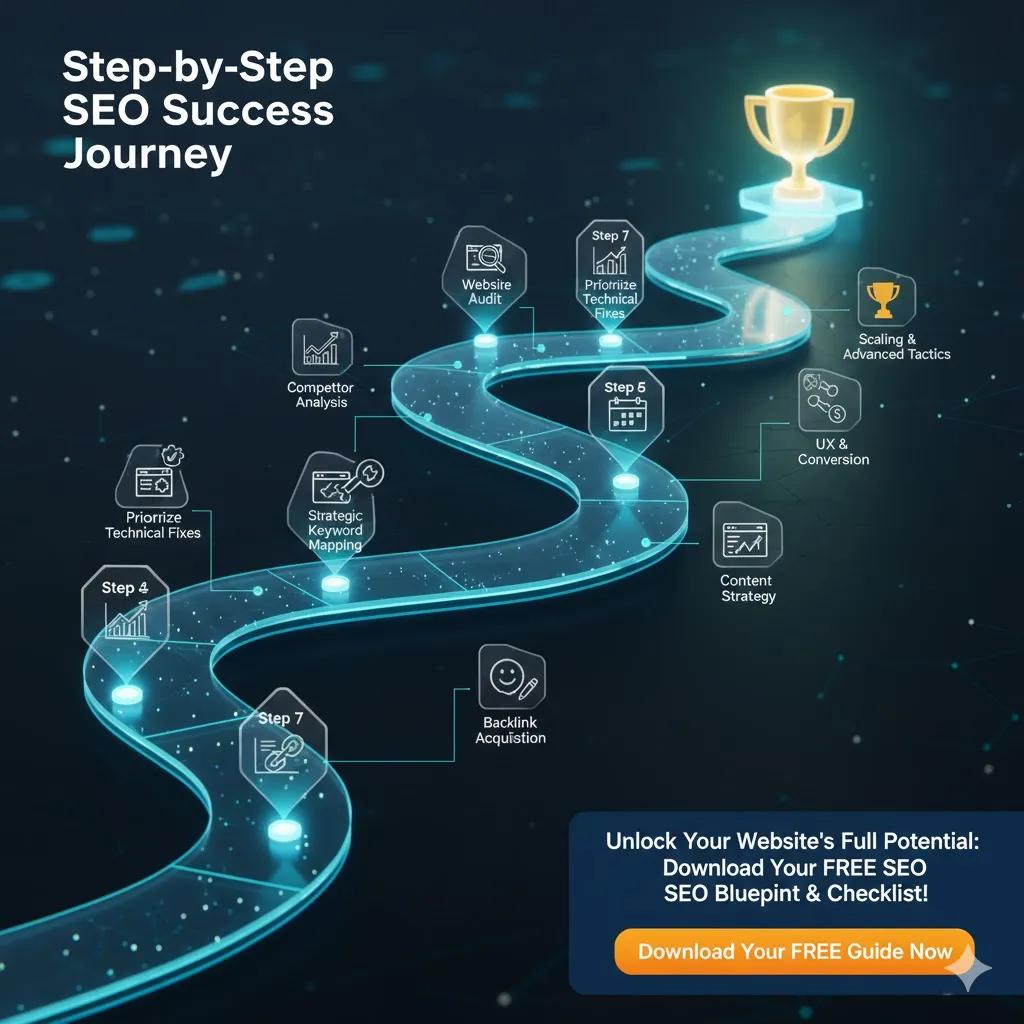
Learning the components of SEO is just the beginning. The real impact comes from structured execution. Self SEO consultation becomes effective only when you follow a well-planned workflow, allowing you to systematically audit, optimize, and improve your website while measuring results. Below is a comprehensive step-by-step guide designed to help business owners, freelancers, and website managers implement SEO independently and achieve measurable growth.
Step 1: Initial Website Audit and Goal Setting
Before making any changes, it’s essential to understand your starting point. Conduct a full website audit, identifying technical issues, content gaps, and user experience weaknesses. Use tools like Google Search Console, Screaming Frog, and analytics dashboards to gather data.
Simultaneously, define specific, measurable goals for your SEO efforts. Are you aiming to increase organic traffic, generate leads, or boost online sales? Setting clear objectives ensures your work is targeted and prevents wasted effort. Document your findings and goals in a spreadsheet or SEO project tracker for reference throughout the process.
Step 2: Competitor Analysis and Benchmarking
Understanding how your competitors perform in search results provides valuable insights. Identify top-ranking websites for your target keywords and analyze:
- Their content structure and topics covered.
- Backlink profiles and domain authority.
- On-page SEO strategies such as headings, internal links, and meta tags.
- Engagement signals like comments, shares, and reviews.
Benchmarking helps you establish realistic targets and highlights opportunities where your website can outperform competitors. This step also informs your content strategy and link-building approach without reinventing the wheel.
Step 3: Prioritize Technical Fixes
Addressing technical SEO issues first ensures a solid foundation for subsequent optimizations. Common priority tasks include:
- Fixing broken links and crawl errors.
- Optimizing page speed and mobile performance.
- Setting up SSL and checking site security.
- Ensuring proper indexing with sitemaps and robots.txt configuration.
By handling these issues upfront, you prevent search engines from penalizing your website and ensure that your content and other optimizations can achieve maximum impact.
Step 4: Strategic Keyword Mapping
With goals and technical foundations in place, map keywords to specific pages based on search intent and business objectives. This ensures every page has a clear purpose and can target terms that drive meaningful traffic.
Practical approach:
- Assign primary and secondary keywords for each page.
- Identify content gaps where new pages or blog posts can capture untapped queries.
- Ensure keyword distribution aligns naturally with your existing content.
This step bridges your SEO audit and content plan, creating a clear roadmap for on-page optimizations.
Step 5: On-Page Optimization Execution
Now it’s time to implement on-page improvements. Focus on:
- Optimizing meta titles, descriptions, and headers for clarity and relevance.
- Ensuring content matches search intent and includes semantic variations.
- Improving internal linking to connect relevant pages and distribute authority.
- Adding structured data to enhance search result appearance.
Prioritize high-traffic pages first to generate early wins and measurable results. Use analytics to track changes and adjust strategies accordingly.
Step 6: Content Strategy Implementation
Content drives engagement and builds authority. At this stage, implement your content calendar, creating new pages, blog posts, and multimedia content based on keyword mapping.
Key actions include:
- Writing content that addresses user questions and search intent.
- Optimizing readability, structure, and SEO elements simultaneously.
- Repurposing existing content to align with current search trends.
- Tracking performance metrics to identify which topics resonate most.
This systematic content creation approach ensures each effort contributes directly to traffic growth and audience engagement.
Step 7: Backlink Acquisition and Authority Building
After optimizing your site, focus on off-page SEO by building high-quality backlinks. Strategies for self-guided consultation include:
- Reaching out to industry blogs or publications for guest posts.
- Participating in online communities to earn mentions and links.
- Leveraging PR opportunities and partnerships to secure authoritative backlinks.
Maintain a link-building tracker to monitor acquired links, evaluate domain authority, and avoid low-quality or spammy connections.
Step 8: User Experience Refinement and Conversion Tracking
SEO is most effective when it drives results. Ensure your site provides intuitive navigation, fast-loading pages, and clear calls-to-action. Use heatmaps, scroll tracking, and A/B testing to optimize layouts and engagement.
Integrate conversion tracking to measure the impact of SEO on lead generation, sales, or other business objectives. These insights allow you to refine content, internal linking, and site structure in a data-driven, continuous improvement cycle.
Step 9: Analytics Review and Iterative Optimization
SEO is ongoing. Set up dashboards to track organic traffic, keyword rankings, engagement metrics, and conversions. Review performance monthly to identify what works, what needs adjustment, and new opportunities for growth.
Iteratively implement changes, test strategies, and refine content based on results. This ensures your SEO efforts stay aligned with evolving search engine algorithms and audience behavior, maximizing return on effort.
Step 10: Scaling and Advanced Tactics
Once the basics are mastered, explore advanced strategies to scale results further:
- Implement structured content clusters for semantic SEO.
- Optimize for AI-driven search features and voice queries.
- Experiment with advanced technical SEO elements such as lazy loading, schema enhancements, or progressive web apps.
- Monitor emerging search trends and competitor strategies.
Scaling in this structured, stepwise manner ensures sustainable growth while maintaining control over your website’s performance.
Tools & Resources for Self SEO Consultation
To successfully conduct self SEO consultation, having the right tools and resources is essential. They allow you to analyze your website, optimize content, track performance, and monitor competitors efficiently. The following tools are designed to guide you through every stage of your SEO journey, from auditing and keyword research to analytics and reporting.
Website Audit and Technical SEO Tools
A comprehensive audit is the first step in identifying opportunities and fixing issues that could hinder your website’s performance. Tools like Google Search Console, Screaming Frog, and Sitebulb allow you to detect crawl errors, broken links, duplicate content, and indexing issues. Additionally, PageSpeed Insights and GTmetrix help monitor load times, mobile responsiveness, and Core Web Vitals, ensuring your site meets technical SEO standards. These platforms provide actionable insights that help you prioritize tasks and implement solutions efficiently.
Keyword Research Platforms
Effective SEO begins with targeting the right search terms. Tools like Ahrefs, SEMrush, and Ubersuggest allow you to discover high-value keywords, analyze competition, and identify search intent. AI-powered tools such as ChatGPT and Jasper can also assist in expanding keyword ideas and generating content recommendations based on semantic relevance. These resources help you create a strategic keyword roadmap, guiding both your on-page and content optimization efforts.
Content Creation and Optimization Tools
Optimized content is the backbone of SEO success. Platforms like Surfer SEO, Clearscope, and Frase provide real-time suggestions for keyword placement, content length, and readability improvements. Tools such as Grammarly and Hemingway Editor ensure your writing is clear, professional, and engaging. For multimedia, Canva and Adobe Express help create visually appealing images and infographics that enhance user experience and increase dwell time.
Link Building and Outreach Resources
Acquiring high-quality backlinks requires research and outreach. BuzzSumo and Ahrefs can identify link opportunities, competitor backlink strategies, and trending content in your niche. Email outreach tools like Mailshake or Pitchbox streamline the process of contacting website owners and securing guest post opportunities. Keeping track of backlinks using spreadsheets or dedicated tools ensures your link-building strategy is organized and effective.
Analytics and Reporting Tools
Monitoring performance is critical for iterative improvement. Google Analytics, Google Data Studio, and Hotjar allow you to track traffic, conversions, user behavior, and engagement metrics. These tools help you identify what’s working, where adjustments are needed, and how users interact with your site. By leveraging these analytics platforms, you can make data-driven decisions and refine your SEO strategy over time.
Additional Learning Resources
Beyond tools, education is crucial. Blogs, tutorials, webinars, and online courses from platforms like Moz, Backlinko, Ahrefs Academy, and SEMrush Academy provide updated SEO insights and best practices. Following industry experts on social media and subscribing to newsletters ensures you stay ahead of algorithm updates and emerging SEO trends.
Common Challenges & How to Overcome Them
Self SEO consultation is highly rewarding, but it comes with its own set of obstacles. Many website owners attempting to manage SEO independently encounter difficulties that can slow progress if not addressed strategically. Understanding these challenges and learning how to overcome them is essential for achieving consistent results.
Understanding Technical SEO Concepts
One of the biggest hurdles for individuals managing their own SEO is grasping technical concepts. Tasks like optimizing site speed, implementing structured data, managing crawl errors, or improving Core Web Vitals can feel complex. Many beginners fall into common SEO mistakes such as ignoring mobile optimization or failing to correct indexing issues, which directly affect rankings.
Solution: Start with a structured learning approach. Break technical SEO into manageable sections—site architecture, page speed, security, and structured data—and tackle them one at a time. Use tools like Google Search Console and Screaming Frog to identify issues. Step-by-step guides, online tutorials, and forums can provide actionable instructions without overwhelming you. Over time, these technical skills become easier to apply, allowing your website to perform optimally and comply with search engine requirements.
Adapting to Frequent Algorithm Updates
Search engines, particularly Google, update their algorithms frequently—hundreds of times a year. These updates can impact rankings unpredictably, leaving DIY SEO practitioners unsure of how to respond. Many websites experience sudden drops in traffic due to these changes, which can be frustrating for individuals implementing SEO on their own.
Solution: Stay informed by following industry blogs, forums, and newsletters from sources like Moz, Search Engine Journal, and SEMrush Academy. Focus on SEO fundamentals that remain consistent, such as high-quality content, good site structure, and user experience. By maintaining a strong foundation, your website will be more resilient to algorithm fluctuations, allowing you to adapt quickly without starting from scratch each time.
Measuring ROI and Interpreting Analytics
Another common DIY SEO challenge is understanding the impact of your efforts. Without accurate tracking and interpretation of metrics, it’s difficult to measure ROI or identify which strategies are most effective. Beginners often make common SEO mistakes such as ignoring bounce rates, misreading traffic sources, or focusing only on keyword rankings without considering conversions.
Solution: Use analytics tools like Google Analytics and Data Studio to track performance metrics comprehensively. Define KPIs that align with your business objectives, such as organic traffic growth, lead generation, or sales. Learning to interpret these analytics allows you to identify high-performing strategies, detect areas for improvement, and make data-driven decisions that maximize your SEO efforts.
Staying Consistent with Content & Link Building
Maintaining regular content updates and building backlinks can be time-consuming, and consistency is often a major challenge. Many DIY SEO practitioners start strong but struggle to sustain publishing schedules or develop authoritative links. This inconsistency can slow organic growth and reduce the effectiveness of other optimizations.
Solution: Plan a content calendar and stick to it, focusing on quality over quantity. Break down content creation into research, writing, editing, and publishing stages to manage workload efficiently. For link building, prioritize high-authority and relevant sources over sheer volume. Tools like Ahrefs or SEMrush can help identify potential backlink opportunities. Establishing repeatable workflows ensures that content and link-building efforts remain consistent and impactful.
Overcoming General DIY SEO Challenges
While these four challenges are among the most common, other obstacles can include keeping up with emerging SEO trends, managing time effectively, or balancing SEO with other business responsibilities. The key to overcoming DIY SEO challenges is to approach your SEO journey systematically:
- Break down tasks into actionable steps.
- Focus on one area at a time rather than attempting everything simultaneously.
- Continuously track results and refine your approach.
- Invest time in ongoing learning to stay current with best practices.
By acknowledging these challenges and applying structured solutions, individuals can successfully manage their own SEO while minimizing errors and maximizing results.
Benefits of Self SEO Consultation
Self SEO consultation is not only about overcoming challenges—it also provides significant advantages for individuals and business owners who want to grow their digital presence independently.
Control Your Website SEO Strategy Independently
One of the primary benefits of DIY SEO is complete control over your strategy. Unlike outsourced services, self-guided consultation allows you to choose which areas to prioritize, adjust tactics in real time, and respond immediately to trends or issues. This autonomy ensures that every action aligns with your goals and gives you a deeper understanding of your website’s performance. You become the architect of your site’s success, making decisions based on your insights rather than relying on external agencies.
Cost-Effective Way to Grow Organic Traffic and Leads
Hiring professional SEO agencies can be expensive, particularly for small businesses or startups. By conducting your own SEO consultation, you can implement proven strategies at a fraction of the cost. While it requires time and effort, the long-term savings are substantial. Moreover, you gain the ability to generate targeted organic traffic and high-quality leads without recurring agency fees, making it a sustainable investment in your business growth.
Build a Long-Term, Sustainable Skill Set in SEO
Beyond immediate results, self SEO consultation equips you with a comprehensive skill set that lasts. By learning how to audit websites, perform keyword research, optimize content, manage technical SEO, and analyze performance, you develop expertise that grows alongside your business. This knowledge is transferable, allowing you to apply SEO principles across multiple websites, projects, or even client work. Over time, mastering SEO independently enhances your confidence and capability to manage digital marketing effectively.
Additional Advantages
- Faster Implementation: Changes can be made immediately without waiting for third-party input.
- Adaptability: You can pivot strategies based on results or industry shifts.
- Transparency: You understand exactly what is being done on your website and why.
- Empowerment: Gaining practical SEO skills gives you confidence to experiment and innovate.
By leveraging these benefits, individuals and businesses can take full control of their online growth, improve search visibility, and build sustainable organic traffic without heavy reliance on external support.
Taking control of your website’s SEO through self-guided consultation empowers you to drive meaningful growth, improve visibility, and attract high-quality traffic—all on your own terms. While challenges like technical complexities, evolving algorithms, and maintaining consistency exist, they are fully manageable with the right approach, tools, and structured process. By learning to audit your site, implement on-page and technical optimizations, create engaging content, and monitor performance, you gain full ownership of your digital strategy and the confidence to make data-driven decisions. Beyond immediate results, self SEO consultation builds a long-term skill set that remains valuable across projects, websites, and businesses. Whether you’re a small business owner, freelancer, or content creator, embracing DIY SEO allows you to grow organically, reduce costs, and sustain results over time. Start today, take action, and transform your website into a high-performing digital asset.