SUPERCHARGE YOUR ONLINE VISIBILITY! CONTACT US AND LET’S ACHIEVE EXCELLENCE TOGETHER!
What is an Entity in SEO?
Google defines an entity as a clearly identifiable thing or concept. However, the term “entity” itself is not frequently used across Google’s extensive documentation. Instead, Google commonly refers to entities as topics, which is often more intuitive for content marketers. Topics can connect with one another based on relevance, helping search engines understand meaning more effectively.
For instance, when someone mentions Georgia, it may be unclear whether they are referring to Georgia the country or Georgia the US state.

This ambiguity is resolved when the content references related topics or entities such as geographical location, landmarks, culture, or associated attributes.
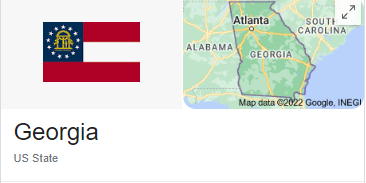
In the same way, Google relies on references to connected topics and authoritative resources within a document to determine the context of a specific entity and distinguish it from similar entities.
How to Define Entities on Our Website?
From a technical SEO perspective, one of the most effective ways to define entities within content is through schema markup. Schema markup provides structured descriptions of specific elements or information on a website and often appears as enhanced SERP features.
While schema markup does not directly create or label an entity, it helps associate entities with unique identifiers that clarify their meaning. It also enables the creation of semantic relationships between multiple entities.
Once entities are defined, schema markup can link them to various objects, allowing them to become part of Google’s Knowledge Graph.
The Knowledge Graph represents a connected network of information that Google uses to link data across the web and establish context for the content it crawls.Here is a simple example of a Knowledge Graph defining an entity: Martha van Berkel, CEO of Schema App.

In this case, Martha is the central entity connected to multiple relevant entities, known as nodes, through identifiers called edges. These nodes describe Martha’s attributes, helping Google distinguish her from other individuals with the same name.
Entity Schema and Entity of Page Schema Implementation
Main Entity Schema
This schema identifies the primary topic or entity that a page is built around or intends to represent. Typically, such schemas are implemented as structured objects with defined properties within the schema markup code.
You can learn more about its JSON LD implementation here > https://schema.org/mainEntity
Implementation Guidelines
- Need to implement in Home Page in the header section.
Here’s an example for ThatWare Home Page:
<script type=”application/ld+json”>
{
“@context”: “https://schema.org”,
“@type”: “WebPage”,
“@id”: “https://thatware.co/”,
“mainEntity”: {
“@type”: “Organization”,
“name”: “ThatWare”,
“url”: “https://thatware.co/”,
“telephone”: “+91-7044080698”,
“image”: {
“@type”: “ImageObject”,
“url”:”https://thatware.co/wp-content/uploads/2020/07/logo.png”,
“height”: 433,
“width”: 1702
},
“address”: “ThatWare LLP, Arunava Sarani, Sukriti Apartment – G Floor, North Ghosh Para, Bally, Howrah – 711227.”,
“aggregateRating”: {
“@type”: “AggregateRating”,
“ratingValue”: “4.8”,
“ratingCount”: “400”
}
}
}
</script>
As can be understood, the various properties of the Main Entity object like type, url, image, address etc define the Entity ID i.e ThatWare as an Organization. Reference to social media links and other authoritative profiles like Wikipedia can also be shared using “SameAs” tag.
mainEntityOfPage Schema
Indicates a page (or other CreativeWork) for which this thing is the main entity being described.
Unlike the Entity Schema which is an object, the mainentityofpage is an attribute that defines the main entity by referring to the main page that is created for the main entity.
The sameAs and url properties are both similar to mainEntityOfPage. But while the URL property should be reserved for referring to more authoritative web pages such as the item’s official website, and the sameAs can be used to link to well-known pages that loosely define the entity, the mainentityofpage clearly defines which of the several entities in a page is most important for it.
mainEntityOfPage can be used for any page, including those not recognized as authoritative for that entity. For example, for a product, sameAs might refer to a page on the manufacturer’s official site with specs for the product, while mainEntityOfPage might be used on pages within various retailers’ sites giving details for the same product.
You can learn more about its JSON LD code and implementation at > https://schema.org/mainEntityOfPage.
Benefits of Entity-Based SEO
- Contextualized Website Content:
Building and sustaining a content strategy centered on Entities allows businesses to develop a clearly structured website organized around core topics that accurately represent their offerings. These topics function as entities that define your brand, services, and expertise. As a result, search engine crawlers can better interpret the context of your business, its relevance, and its authority. This structured understanding improves visibility across multiple search intents in SERPs while improving your E-A-T.
- Helps in Optimizing for Semantic Search
The era of ranking solely through keywords and backlinks has evolved. While these elements remain essential, their application now prioritizes intent-driven and context-aware optimization. Modern SEO focuses on delivering meaningful experiences that attract qualified traffic and encourage conversions.
Semantic search refers to Google’s ability to interpret queries in a manner similar to human understanding. Through advances in Natural Language Processing, Google analyzes meaning, relationships, and intent rather than isolated terms. This enables the search engine to surface results that more accurately satisfy user needs.
An entity-based content marketing approach supports this evolution by enabling brands to produce in-depth, comprehensive resources around entire topics. This strategy positions the business as an authority within a specific niche and allows it to dominate related searches connected to that entity.
Understanding the Role of Entities in Knowledge Graph Expansion
How Entities Are Added to Google’s Knowledge Graph
Google’s Knowledge Graph operates as a vast interconnected system that organizes entities and maps the relationships between them, forming a structured knowledge network. Entities are incorporated into this graph through multiple trusted sources, including:
Structured Data: Websites that implement structured formats such as schema markup allow Google to clearly interpret and classify the entities present on their pages.
Authoritative Databases: Trusted platforms like Wikipedia, Wikidata, and official government or academic repositories are frequently used to verify entity information and introduce new entities into the graph.
Crawled Content: Google’s algorithms analyze unstructured web content to detect entities, associating them with relevant attributes, topics, and contextual relationships.
For businesses and individuals, inclusion in the Knowledge Graph can greatly enhance search visibility and perceived credibility. This can be achieved by maintaining accurate, consistent, and authoritative information across the web. For instance, a company with a verified Google Business profile, comprehensive social media presence, and backlinks from reputable sources is more likely to be recognized by Google as a distinct entity.
Importance of Structured Data in Knowledge Graph Expansion
Structured data plays a critical role in converting website content into formats that search engines can efficiently process. It acts as a bridge between complex web pages and machine-readable information. When businesses apply structured data correctly, their chances of being incorporated into the Knowledge Graph increase significantly.
Benefits of structured data include:
- Enhanced Context: Clearly defines entities and their attributes, reducing ambiguity for search engines.
- Improved SERP Features: Enables rich search results such as product ratings, reviews, FAQs, and event listings.
- Increased Authority: Linking structured data with trusted sources strengthens credibility and trust in Google’s evaluation.
For example, a local bakery can strengthen its online visibility by structuring key details such as business hours, location, menu offerings, and customer reviews. This clarity helps Google identify the bakery as a distinct entity and improves its eligibility for Knowledge Graph inclusion.
Examples of Businesses Positioning Themselves as Authoritative Entities
To establish themselves as authoritative entities, businesses should prioritize a strong digital footprint supported by structured and reliable data. Examples across industries include:
E-Commerce: Large platforms such as Amazon rely on structured product information, category hierarchies, and user reviews. This approach ensures strong Knowledge Graph visibility and enriched product listings in search results.
Local Businesses: Restaurant chains can build authority by maintaining accurate Google My Business profiles, strengthening local SEO signals, and highlighting genuine customer feedback.
Service Providers: Independent consultants or agencies can enhance entity recognition by showcasing credentials, certifications, publications, and affiliations with reputable organizations.
By consistently delivering structured, authoritative, and well-represented content, businesses can strengthen their recognition as trusted entities within Google’s ecosystem.
Practical Examples of Schema Markup for Different Industries
E-Commerce
E-commerce businesses gain significant advantages by presenting comprehensive product details such as price, availability, specifications, and customer reviews. Structuring this information improves search visibility and supports better purchasing decisions.
For example, an online electronics retailer can clearly outline product features, technical specifications, warranty coverage, and user ratings. This structured approach allows Google to display rich product snippets in search results, which often leads to higher click-through rates and improved conversions.
Local Businesses
Local businesses including salons, cafés, and service centers depend heavily on location-based searches. By clearly highlighting essential details such as business address, operating hours, contact information, and popular services, these businesses can strengthen their presence in local search results.
For instance, a pizza restaurant that maintains accurate location data and structured menu information is more likely to appear in Google’s local pack. This visibility directly contributes to increased foot traffic and online orders.
Blogs and Publications
Bloggers and digital publishers can enhance content discoverability by organizing articles around clearly defined topics, authorship details, and publication dates. Incorporating relevant keywords and referencing authoritative sources further reinforces content credibility within the Knowledge Graph.
As an example, a travel blogger publishing content on “Best Destinations in Europe” can connect their articles to well-known locations and tourism-related entities. This strategy improves relevance and increases visibility across related searches.
Service Providers
Service-based organizations benefit from presenting detailed, structured information about their offerings. An HVAC company focused on air conditioning repair, for example, can highlight service expertise, coverage areas, certifications, and customer testimonials to build trust and authority as a recognized entity.
Advanced Schema Types for Entity-Based SEO
FAQ Pages
Frequently Asked Questions (FAQ) pages allow businesses to address common customer concerns with clear, direct answers. When structured correctly, Google may display these FAQs prominently in search results, improving engagement and visibility. For instance, a healthcare provider answering routine questions about medical procedures can position itself as a trusted source within its field.
How-To Content
Instructional, step-by-step content delivers high value to users searching for practical guidance. A home improvement brand, for example, can publish guides such as “How to Install a Ceiling Fan” or “How to Paint a Room” to attract DIY audiences.
This type of content not only enhances user engagement but also strengthens the brand’s authority and thought leadership.
Event Listings
Event schema enables businesses to promote webinars, product launches, workshops, or local events effectively. By clearly defining event dates, times, venues, and registration details, businesses can increase attendance while boosting brand awareness and search visibility.
Entity Salience in Content Optimization
Defining Entity Salience
Entity salience describes the prominence and contextual relevance of an entity within a piece of content. It reflects Google’s ability to identify the primary subject of a page and understand how it connects to related entities. A well-defined level of salience helps search engines clearly interpret what the content is truly about.
For instance, in a blog focused on “Digital Marketing Trends,” strong entity salience would mean clearly emphasizing related core themes such as “SEO,” “Social Media Marketing,” and “Content Strategy” as central concepts rather than passing references.
How Google Identifies and Prioritizes Entities
Google relies on advanced Natural Language Processing (NLP) to assess which entities matter most within a webpage. Several factors influence how entities are prioritized, including:
- Frequency: How consistently an entity appears throughout the content.
- Context: Whether the entity is explained in detail or simply mentioned without depth.
- Relationships: The strength of connections between the entity and related topics or concepts.
Together, these signals help Google determine the relevance and authority of an entity within the overall content framework.
Tips for Increasing Entity Salience
- Use Targeted Language: Present entities in a clear, focused, and meaningful way. Reinforce context by using relevant synonyms and closely related terms.
- Optimize Headings and Subheadings: Feature important entities in H1, H2, and H3 tags to emphasize their significance to search engines.
- Include Relevant Images and Links: Visual elements and outbound links to authoritative sources improve contextual clarity and semantic depth.
- Leverage Related Entities: Addressing connected topics helps Google understand the broader relevance and authority of the primary entity.
By consistently applying these strategies, businesses can enhance SEO performance and establish themselves as authoritative entities within their industries. This structured approach supports sustained visibility and long-term relevance in search engine results.
Using Google Search Console for Entity-Based SEO Insights
Google Search Console (GSC) is a valuable tool for monitoring and improving search performance. From an entity-based SEO perspective, GSC provides actionable insights into how specific entities appear, perform, and attract user engagement in search results.
Analyzing Entity Performance Using Search Console
GSC offers several performance reports that are particularly useful for evaluating entity-based optimization. You can filter search data to analyze how entity-related queries are performing, such as brand names, services, products, or geographic locations. Key analysis methods include:
- Performance Reports: The “Performance” section displays essential metrics like clicks, impressions, average position, and click-through rate (CTR). Reviewing entity-focused queries reveals how effectively your entity is appearing in search results.
- Filter by Queries: Filtering queries helps identify search terms directly tied to specific entities. For example, when strengthening a brand as an entity, tracking queries that include the brand name, product categories, or service offerings is essential.
- Click-Through Rate (CTR): CTR is a critical indicator of entity visibility and appeal. Higher CTRs suggest that Google is accurately presenting your entity and that users find the listing relevant.
- Impressions and Position Data: This data highlights how often your entity-based pages appear and where they rank. High impressions with low clicks may indicate the need for improved titles, descriptions, or content alignment.
Identifying Search Terms and Clicks Related to Specific Entities
Understanding how users interact with your entities is crucial for refining your SEO strategy. Search Console enables you to examine how frequently your entities appear in searches and how users engage with them.
- Queries Associated with Entities: GSC helps uncover keywords that reference your target entity, such as your business name, service areas, or specialized offerings. These queries indicate how search engines and users perceive your entity.
- Click Data for Specific Entities: By isolating entity-related queries, you can evaluate click volume and engagement levels. If certain entity-focused pages receive fewer clicks, it may signal the need for content enhancement or better structured data implementation.
Leveraging these insights from Google Search Console allows businesses to fine-tune their entity-based SEO strategies, improve visibility, sharpen keyword targeting, and increase overall click-through rates.
The Role of Internal Linking in Entity-Based SEO
Internal linking is a highly effective yet frequently underutilized SEO technique that plays a critical role in strengthening entity-based optimization. By strategically connecting pages within a website, internal links create a cohesive content ecosystem that reinforces relationships between related entities and topical relevance.
How Internal Links Strengthen Entity Associations
Internal links act as navigational pathways that guide both users and search engines across your website. In the context of entity-based SEO, these links help define and reinforce how different entities relate to one another, enabling Google’s algorithms to interpret contextual connections more accurately.
For example:
- When your website references your company’s products, internally linking those mentions to dedicated product pages strengthens the relationship between the product entity and the brand entity.
- When optimizing for a specific service or geographic location, linking pages that reference that service or location enhances the entity’s relevance and prominence within Google’s Knowledge Graph.
Well-structured internal linking improves how entities are discovered, indexed, and evaluated. As a result, Google can interpret your site’s topical authority more effectively, leading to improved rankings and greater visibility in search results.
Best Practices for Internal Linking Strategies Focused on Entity Optimization
- Link to Key Entity Pages: Identify pages that represent your most important entities, such as your homepage, core service pages, and product pages. Ensure these pages receive consistent internal links across the site.
- Use Descriptive Anchor Text: Anchor text should clearly describe the linked entity. For instance, linking to a service page with text like “web design services” provides stronger contextual signals than generic phrases such as “click here.”
- Avoid Overlinking: Excessive internal linking can dilute relevance and negatively impact user experience. Focus on meaningful, contextually relevant links that add value.
- Cross-Link Related Entities: When your site includes multiple entity types, such as services, products, or locations, use internal links to connect related pages. For example, linking a local bakery’s location page to content about “fresh bread” strengthens the relationship between the location entity and the product entity.
By applying these practices, you enhance Google’s understanding of entity relationships, ultimately supporting stronger SEO performance.
Creating Topic Clusters for Entity-Based SEO
Topic clusters offer a structured approach to organizing content around central themes, making them especially effective for entity-based SEO. This model allows businesses to group related content around a core entity, signaling importance, depth, and interconnected relevance to search engines.
How Topic Clusters Help Define and Interlink Entities
A topic cluster consists of a central pillar page that covers a broad subject, supported by multiple cluster pages that explore specific subtopics in detail. This framework helps Google’s crawlers understand how entities relate to one another, improving topical authority and search visibility.
For instance, a technology company may create a pillar page focused on “Artificial Intelligence.” Supporting cluster pages could address AI applications, AI in healthcare, and future AI trends. Each cluster page links back to the pillar page, reinforcing the relationship between the core entity and its sub-entities, thereby strengthening authority around the topic.
Step-by-Step Guide to Building Effective Clusters Around a Central Entity
- Identify the Core Entity: Begin by determining the primary entity you want to optimize. This could be a product, service, topic, or geographic area central to your business goals.
- Create a Pillar Page: Develop a comprehensive, authoritative page that provides an in-depth overview of the core entity. This page should act as the central hub, linking to all related subtopics.
- Develop Cluster Pages: Create individual pages that explore specific subtopics related to the core entity. These pages should offer detailed insights and support the broader theme. For example, a pillar page on “E-commerce” may link to cluster pages on “E-commerce Platforms,” “E-commerce Shipping Solutions,” and “E-commerce Marketing Strategies.”
- Link Cluster Pages Together: Ensure all cluster pages link back to the pillar page and, where relevant, to each other. This internal linking structure signals strong thematic relationships to Google.
- Regularly Update and Optimize: Keep both pillar and cluster pages updated with current, relevant content. Ongoing optimization helps maintain authority and relevance for entity-based searches.
Tools and Resources for Implementing Entity-Based SEO
Effective entity-based SEO can be streamlined through the use of specialized tools that assist with schema implementation and content optimization. Key tools include:
- Schema App: This platform offers an intuitive interface for creating, managing, and deploying schema markup. It simplifies structured data implementation, helping search engines accurately interpret entities.
- RankMath: A widely used WordPress SEO plugin, RankMath supports schema generation and entity-focused content optimization. It enables businesses to implement advanced SEO strategies without requiring extensive technical expertise.
Future Trends in Entity-Based SEO and Semantic Search
SEO continues to evolve toward more advanced semantic and AI-driven search experiences. Google’s growing reliance on machine learning and Natural Language Processing is reshaping how entities are interpreted and ranked.
- Increased Use of Structured Data: Structured data will remain essential as search engines demand greater semantic clarity. Businesses must ensure their content is properly tagged and organized to remain competitive.
- AI and Machine Learning: As algorithms become more sophisticated, SEO strategies will increasingly prioritize entity salience, contextual relevance, and relationship mapping.
- Voice Search and Virtual Assistants: The rise of voice-driven search makes entity-based SEO even more critical. Virtual assistants depend heavily on knowledge graphs to deliver concise answers, making entity optimization vital for voice search visibility.