
SUPERCHARGE YOUR ONLINE VISIBILITY! CONTACT US AND LET’S ACHIEVE EXCELLENCE TOGETHER!
Search Engine Optimization (SEO) is a dynamic and ever-evolving field, with numerous factors influencing a website’s ranking on search engine results pages (SERPs). Among these factors, content plays a pivotal role. Content quality, relevance, and engagement have long been recognized as essential components of SEO success. However, one question that often arises is whether fresh content impacts SEO. In this blog post, we will delve into the significance of fresh content impact in SEO and explore how regularly updating your website’s content can positively affect your search engine rankings.

UNDERSTANDING FRESH CONTENT
Fresh content refers to new, relevant, and up-to-date information or pages added to a website. It can take various forms, including blog posts, news articles, product updates, or any other type of content that is considered current and valuable to users. Fresh content is not limited to textual information; it can also include images, videos, infographics, and other multimedia elements. Fresh content is an important part of content SEO, especially for websites covering topics that change over time. A consistent publishing schedule can help search engines discover new information while giving users more reasons to visit your website. However, every new page should serve a clear search intent and provide genuine value.
Now, let’s explore the ways in which fresh content impacts SEO:
Improved User Experience
Search engines like Google prioritize providing users with the most relevant and up-to-date information. When your website consistently publishes fresh content, it signals to search engines that your site is active and dedicated to delivering valuable information to users. This commitment to freshness can significantly enhance the user experience, as visitors are more likely to find the latest and most relevant content when they land on your site. Effective SEO content optimization focuses on making information useful, readable, relevant, and easy for search engines to understand. Updating outdated statistics, improving headings, adding relevant examples, and refining keyword usage can strengthen existing content. These improvements obtained through content optimization for SEO can also make pages more useful for visitors searching for current information.
Fresh content ensures that users encounter up-to-date information that meets their needs and expectations. Whether they are looking for the latest news, industry insights, product updates, or educational resources, fresh content helps fulfill their requirements. By regularly updating your website with new and valuable content, you demonstrate your responsiveness to users’ interests and queries, thereby enhancing their overall experience.
Furthermore, fresh content can encourage users to return to your site for future visits. When users find reliable and timely information on your website, they are more likely to trust your brand and consider it a valuable resource in your industry or niche. This can lead to increased loyalty and engagement, further bolstering the user experience and fostering positive relationships with your audience.
Increased Crawl Frequency
Search engines rely on web crawlers, also known as spiders or bots, to index and rank web pages. These bots systematically navigate the internet, discovering and analyzing web pages to determine their relevance and importance. Websites that regularly update their content are more likely to attract the attention of these web crawlers, leading to increased crawl frequency.
When your site is crawled more frequently by search engine bots, any SEO improvements or changes you make are more promptly detected and reflected in search engine rankings. This means that updates such as new content, site structure changes, or optimizations are more quickly recognized by search engines when your site has fresh content.
Moreover, increased crawl frequency can help ensure that your website remains visible and relevant in search engine results pages (SERPs). By regularly updating your content, you provide search engines with more opportunities to index your site’s pages and understand its relevance to users’ search queries. This can ultimately contribute to improved search engine rankings and enhanced visibility for your website.
Enhanced Relevance
In the ever-evolving landscape of online content, staying relevant within your niche or industry is crucial for maintaining visibility and authority. Fresh content plays a vital role in achieving this goal by providing opportunities to address new trends, emerging topics, and changing consumer needs. When you regularly update your content, you demonstrate to your audience and search engines alike that you are actively engaged in delivering valuable and up-to-date information. Content marketing SEO brings content creation and search optimisation together to build long-term organic visibility. Fresh articles, guides, case studies, and industry resources can target different stages of the customer journey. When these resources answer relevant searches, they can attract qualified visitors and strengthen a website’s overall content presence.
Regularly refreshing your content allows you to adapt to shifts in user interests and preferences, ensuring that your website remains a relevant source of information. By keeping pace with industry developments and addressing current issues, you can establish yourself as an authoritative voice within your niche. This, in turn, enhances your site’s credibility and visibility in search engine results. Content relevance SEO focuses on keeping information closely aligned with what users are searching for. Search intent can change as industries, products, regulations, and customer interests evolve. Refreshing outdated pages with accurate information and relevant examples can help maintain their usefulness and topical relevance.
Long-Tail Keyword Opportunities
Fresh content not only helps you stay relevant but also expands your reach by targeting a wider range of keywords, including long-tail keywords. Unlike broad keywords, long-tail keywords are highly specific phrases that cater to niche topics or interests. While they may have lower search volumes compared to broader terms, they often attract a more targeted audience with a higher intent to engage or convert. Strong content quality SEO depends on more than publishing new pages regularly. Content should offer accurate information, clear explanations, useful examples, and genuine value to the reader. High-quality pages are more likely to satisfy search intent and encourage visitors to spend time exploring related information on the website.
By creating content around long-tail keywords, you can tap into these niche markets and attract users who are actively seeking information on specific topics. Over time, this targeted approach can lead to increased organic traffic and higher rankings for specific keyword phrases. Additionally, since long-tail keywords are often less competitive than broader terms, you have a better chance of ranking well in search results and attracting qualified traffic to your site.
Encourages User Engagement
Encouraging user engagement is a crucial aspect of any successful SEO strategy. Engagement metrics such as bounce rate, time on site, and click-through rate play a significant role in determining the quality and relevance of a website’s content. Fresh, engaging content has the power to captivate users and keep them on your website for longer periods, ultimately reducing bounce rates and increasing the likelihood of users exploring multiple pages. A well-planned SEO content strategy helps businesses maintain consistency while targeting relevant topics and search queries. It can include new blog posts, content updates, topic clusters, supporting resources, and long-tail keyword targeting. This structured approach ensures that content creation supports broader organic search goals instead of becoming a random publishing activity.
When users spend more time engaging with your content, it sends a positive signal to search engines that your website provides valuable and relevant information. This can lead to improved search engine rankings as search algorithms recognize the quality and relevance of your content based on user behavior.
Opportunities For Backlinks
Furthermore, fresh content presents opportunities for attracting valuable backlinks from other websites. High-quality backlinks are essential for SEO as they signal to search engines that your content is authoritative and trusted by others in your industry. When other websites link to your content, it not only increases your website’s visibility but also enhances its credibility and authority. The content impact on SEO can be seen across several areas, including relevance, keyword visibility, organic traffic, and user engagement. Useful content gives search engines more context about a website while helping visitors find answers to their questions. Regular improvements can also keep important pages aligned with changing search behaviour and industry developments.
Fresh content that provides unique insights, data, or valuable resources is more likely to attract backlinks from other websites. Websites and online publications are constantly looking for valuable content to reference and link to, and by consistently producing fresh and engaging content, you increase the chances of earning these backlinks.
Backlinks from reputable websites are highly valued by search engines, and they can have a significant impact on your search engine rankings. When search engines see that other authoritative websites are linking to your content, they perceive your website as a trustworthy source of information, which can result in improved rankings and increased organic traffic. Understanding how content affects SEO requires looking beyond content freshness alone. Relevant and valuable content can support keyword visibility, organic traffic, user engagement, internal linking, and opportunities for earning backlinks. The strongest results come when content works alongside technical SEO, on-page optimisation, and a clear understanding of search intent.
In conclusion, fresh content does indeed impact SEO in multiple ways. It enhances the user experience, encourages frequent crawls by search engine bots, improves relevance and authority within your niche, targets long-tail keywords, boosts user engagement, and opens up opportunities for valuable backlinks. All of these factors contribute to higher search engine rankings and increased organic traffic, which are essential for the success of any website.
However, it’s important to note that freshness alone is not a silver bullet for SEO success. The quality, relevance, and value of your content remain paramount. Freshness should complement these aspects and be part of a comprehensive SEO strategy that includes on-page optimization, technical SEO, and other essential elements. A practical content optimization strategy should include regular content audits, keyword research, internal linking, and updates to outdated information. Businesses can identify pages that have lost traffic or rankings and improve them with more relevant and useful information. This creates a structured process for maintaining content quality over time.
To leverage the benefits of fresh content for SEO, consider developing a content calendar, conducting keyword research, and regularly updating and refreshing your existing content. By doing so, you can position your website for improved search engine rankings and long-term online success.
Comparison Table: How ThatWare Approaches Content Freshness and SEO
ThatWare’s approach to content freshness goes beyond simply publishing new articles. A strong content strategy should consider search intent, content quality, topical relevance, keyword opportunities, internal linking, technical SEO, and ongoing performance. Rather than treating freshness as a standalone ranking tactic, ThatWare can use content audits and data-driven insights to identify pages that need updating, expanding, restructuring, or improving. This creates a more organised approach to maintaining useful content while supporting broader organic search goals.
| Content SEO Area | Conventional Approach | ThatWare’s Content-Focused Approach |
| Content Strategy | Publish new content on a regular schedule | Build a structured strategy around search intent, business goals, audience needs, and topical relevance |
| Content Freshness | Focus mainly on creating new pages | Balance new content with meaningful updates to existing pages |
| Content Audits | Occasional checks of older content | Identify outdated, declining, thin, or underperforming pages for potential improvement |
| Search Intent | Target keywords without deeper intent analysis | Align content type, format, depth, and angle with the intent behind relevant searches |
| Keyword Research | Focus on primary keywords | Explore primary, long-tail, related, and emerging search opportunities |
| Content Quality | Prioritise publishing frequency | Focus on accuracy, usefulness, clarity, originality, and relevance |
| Topical Coverage | Create isolated articles around keywords | Develop related content that builds broader topical coverage |
| On-Page Optimisation | Basic title and keyword optimisation | Refine headings, metadata, internal links, content structure, and keyword relevance |
| Existing Content Updates | Replace old dates or make minor edits | Refresh statistics, examples, explanations, references, structure, and outdated information where needed |
| Internal Linking | Add links occasionally | Build relevant internal connections between supporting and core content |
| Long-Tail Opportunities | Limited focus on specific search queries | Identify detailed, question-based, and high-intent long-tail opportunities |
| Content Performance | Primarily monitor traffic | Review rankings, impressions, clicks, engagement, conversions, and page-level performance |
| Backlink Potential | Treat links as a separate SEO activity | Develop useful resources and authoritative content that can naturally attract relevant references |
| Content Calendar | Schedule posts mainly by frequency | Prioritise topics based on search demand, content gaps, business priorities, and existing performance |
| Technical SEO | Separate content from technical optimisation | Consider crawlability, indexability, page experience, site structure, and content accessibility |
| Content Refresh Priorities | Update pages based mainly on age | Prioritise pages based on relevance, performance trends, search opportunities, and information changes |
| SEO Growth Objective | Increase the number of published pages | Build a useful, relevant, and sustainable content ecosystem that supports organic visibility |
By combining content creation with strategic content refreshes, ThatWare’s approach focuses on maintaining relevance rather than publishing content simply for the sake of freshness. This can help businesses build a stronger content foundation while addressing changing search intent, new keyword opportunities, outdated information, and evolving audience needs.
Case Study: How ThatWare Strengthened an E-commerce Firm’s Organic Visibility Through Search Intent-Driven SEO
Project Overview and Challenge
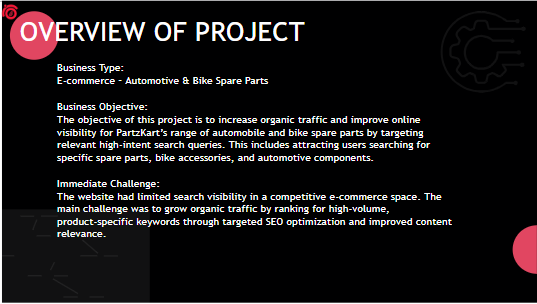
The e-commerce firm operates in the automotive and bike spare parts industry, offering automobile components, bike accessories, and related spare parts to customers searching for specific replacement products. The primary objective was to increase organic traffic and improve online visibility by targeting relevant, high-intent search queries.
The website faced limited search visibility within a competitive e-commerce market. The key challenge was to increase organic traffic by improving rankings for high-volume, product-specific keywords while making the website content more relevant to user search intent.
ThatWare’s objective was to strengthen the website’s organic search performance through targeted content optimization, search-intent alignment, technical SEO improvements, and a better website structure.
Strategy Implemented
ThatWare developed a search-intent-focused SEO strategy based on the 3Cs of Search Intent: Content Type, Content Format, and Content Angle.
The campaign focused on creating and optimizing different content types, including blog posts, service pages, category pages, and landing pages. This ensured that different stages of the search journey were addressed through appropriate website content.
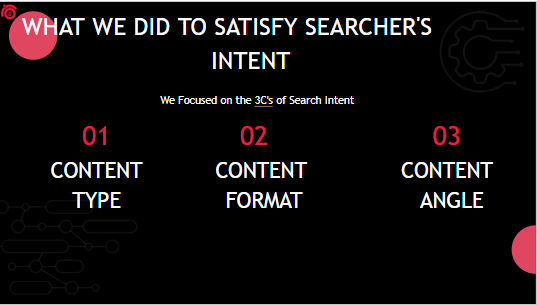
The content format was structured around service-focused SEO blogs, designed to target relevant informational and commercial searches. The strategy also incorporated location-specific content angles, including “Dubai used car parts market” and “Dubai second hand car parts,” helping the website target users searching for automotive spare parts in Dubai.
Alongside content optimization, ThatWare improved the website’s user experience by focusing on Core Web Vitals, mobile usability, crawl depth, and easy website navigation. Technical improvements included reducing JavaScript execution, implementing lazy loading, compressing images, providing appropriate image and embed dimensions, and improving server response time.
A flat site structure was also implemented to make the website easier for search engines to crawl and users to navigate.
Campaign Results
After implementing the SEO strategy, the e-commerce firm achieved measurable improvements in organic visibility and search performance:
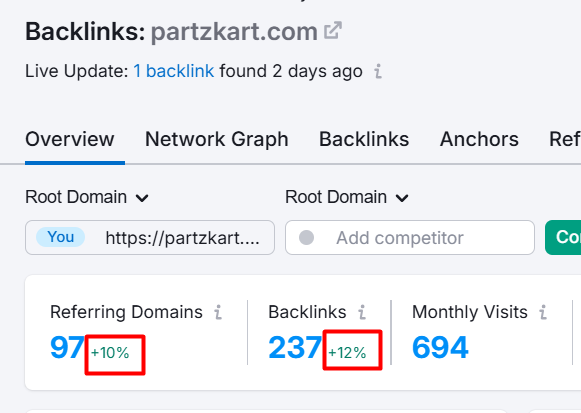
- Total clicks: Increased from 467 to 1.52K
- Total impressions: Increased from 24K to 62.1K
- Average CTR: Improved from 1.9% to 2.4%
- Average position: Improved from 20 to 12.6
- “Used auto spare parts Dubai”: Reached Position 1
- “Dubai used car parts market”: Reached Position 1
- “Dubai second hand car parts”: Reached Position 2
- “Dubai used car parts”: Reached Position 4
- “Toyota used car parts”: Reached Position 9
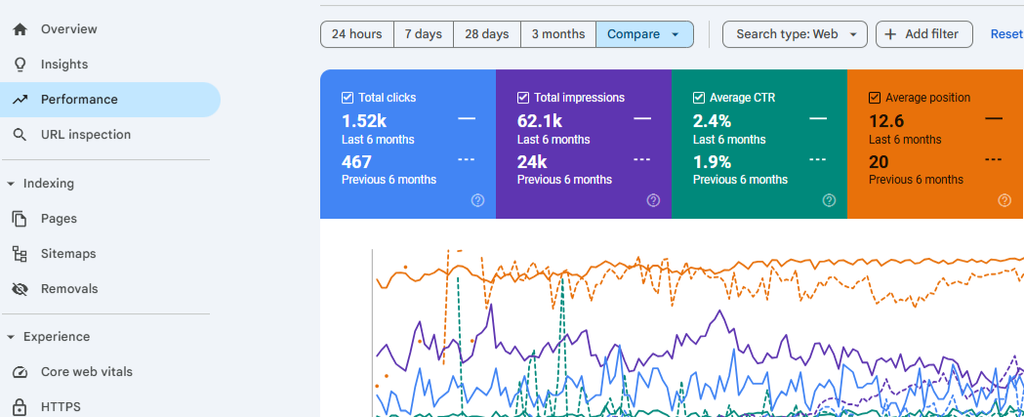
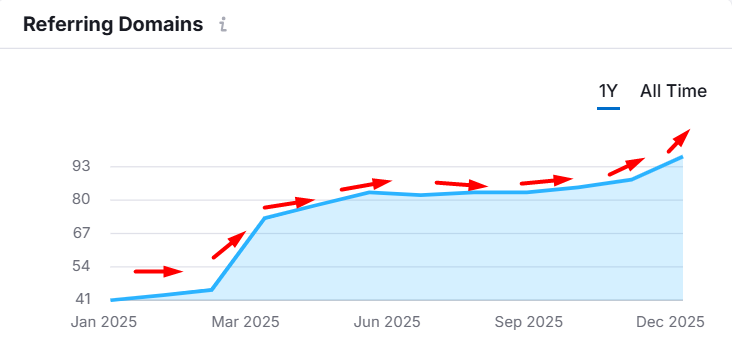
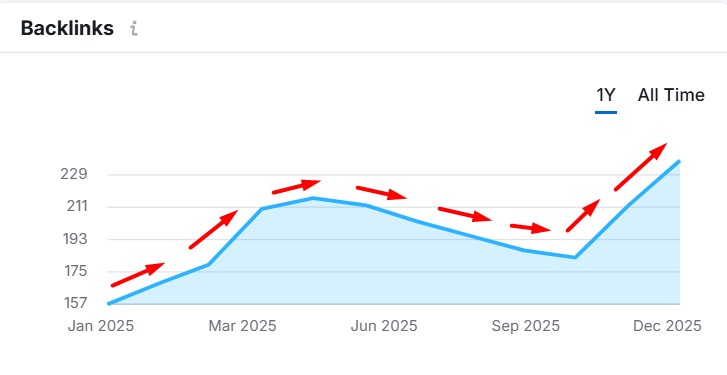
The backlink profile also strengthened, reaching 97 referring domains and 237 backlinks, while the reported monthly visits figure reached 694.
SEO Impact
The campaign demonstrated how combining search-intent optimization with technical SEO can improve visibility for competitive, product-specific e-commerce searches. By aligning content with user intent, optimizing location-focused topics, improving website performance, and simplifying site architecture, ThatWare strengthened the website’s ability to attract and engage relevant organic search users.
Why This Case Study Matters
For automotive e-commerce businesses, competing for high-intent spare-parts searches requires more than basic keyword targeting. A combination of relevant content, optimized website architecture, strong technical performance, and search-intent alignment is essential for sustainable organic growth.
Through its search-intent-driven SEO strategy, ThatWare helped the e-commerce firm achieve stronger rankings, increased clicks and impressions, and improved visibility across valuable automotive and spare-parts searches.
Final Note
Fresh content can play a valuable role in a successful SEO strategy, but freshness alone does not guarantee better rankings. Search engines aim to provide users with useful, accurate, and relevant information. Regularly reviewing and updating existing pages can help maintain content quality, address changing search intent, and capture new keyword opportunities. Creating genuinely useful content can also support engagement, internal linking, and backlink opportunities. Therefore, businesses should focus on meaningful content improvements rather than simply publishing more frequently. By combining content freshness with strong SEO fundamentals, keyword research, technical optimisation, and search-intent analysis, websites can build a more relevant and sustainable organic search presence.