SUPERCHARGE YOUR ONLINE VISIBILITY! CONTACT US AND LET’S ACHIEVE EXCELLENCE TOGETHER!
Search Engine Optimization (SEO) is an ever-evolving field that plays a crucial role in the online success of businesses & individuals alike. To stand out in the digital landscape, it’s essential to not only understand the fundamentals but also dive deep into the intricacies of SEO. In this comprehensive guide, we will explore some profound SEO insights to help you improve your website’s visibility, increase organic traffic, & ultimately, achieve your online goals.

1. Focus on User-Centered Content
Prioritize Quality Over Quantity
It’s critical to provide content that connects with your audience… It’s more important to provide excellent, educational & interesting material than to spit out pages & text… Google’s algorithms have changed throughout time to give priority to UE or User experience. The longer users stay on your site, the better your rankings are likely to be. Prioritizing quality means focusing on what your target audience needs & values. This approach ensures that your content serves the interests & concerns of your users. When users find content that resonates with them, they are more likely to engage with it & stay on your website, which positively influences your SEO.
Google’s algorithms consider user behavior on your website. If users engage with your content by reading, watching, or interacting with it, & they spend more time on your site (dwell time), it sends a strong signal of user satisfaction to search engines. Google interprets longer dwell times as an indication that your content is relevant & valuable to users, which can lead to improved search rankings. High-quality content is less likely to cause users to immediately leave your site (resulting in a high bounce rate). Quality content keeps users interested & encourages them to explore your website further, reducing bounce rates. Search engines view a decreased bounce rate as a favorable indicator.
Understand User Search Intent
To create user-centric content, it’s vital to understand search intent. Why are users searching for a particular keyword or phrase? Are they looking for information, to make a purchase, or seeking entertainment? Tailor your content to match these intentions. When you create content that aligns with user intent, users are more likely to find what they’re looking for on your site. This leads to a positive user experience & increases the chances of them staying on your website.
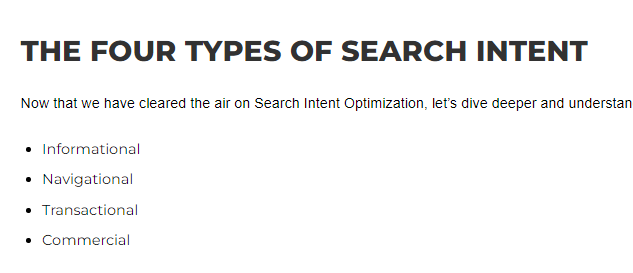
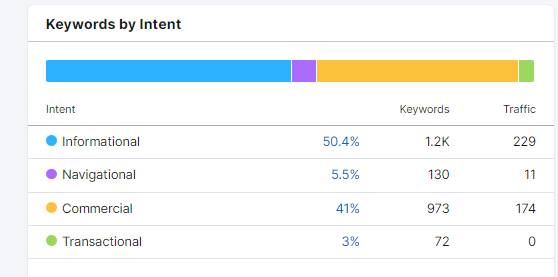
Google’s algorithms have become increasingly sophisticated in recognizing & ranking content that matches search intent. When your content closely matches what users are searching for, it’s more likely to rank higher in search results for those specific queries. Understanding search intent allows you to diversify your content strategy. You can create content that caters to different user needs, whether it’s informational, transactional, navigational, or for commercial investigation. This helps you capture a broader audience & address their varied requirements.
2. Strengthen Your Technical SEO
Optimize Page Speed
The speed at which your website loads is a significant ranking factor. Compress images, reduce server response time, & utilize browser caching to ensure your pages load quickly. First & foremost, page speed is crucial for providing a positive user experience. In the current digital age, people visiting anticipate speedy website loads. If your pages are slow to load, visitors are likely to become frustrated & leave, resulting in higher bounce rates. Google understands this and, as a user-centric search engine, factors in page speed as an indicator of user satisfaction.
Google & other search engines have officially confirmed that page speed is a ranking factor. Faster-loading websites are generally favored in search results because they are more likely to provide a better user experience. This means that if your website is slow, it could be ranked lower in search results, making it less visible to potential visitors. Images are often one of the primary culprits for slow-loading pages. To mitigate this, you can compress images before uploading them to your website. This reduces their file size without significantly compromising image quality. There are various image compression tools & plugins available to help with this process.
Ensure Mobile Optimization
With the increasing use of mobile devices… your website have to be responsive & mobile-friendly. Google prioritizes mobile-first indexing, so a seamless mobile experience is crucial. Mobile devices, such as smartphones & tablets, have become a preferred choice for internet access. Users browse, shop, & seek information on their mobile devices, making it imperative for websites to cater to this trend. Failing to do so can result in a poor user experience, potentially leading to high bounce rates & decreased rankings.
Google has adopted a mobile-first indexing approach, meaning it primarily uses the mobile version of your site for ranking & indexing. In case your website is not mobile-friendly… it may not perform well in the search results. Therefore, optimizing your website for mobile devices is crucial to maintain & improve your visibility in search engine rankings. To ensure a seamless mobile experience, responsive web design is used. This approach will allow your website to adapt to different screen sizes as well as resolutions. It ensures that content is displayed properly on a variety of devices, enhancing user satisfaction & engagement.
Improve Crawlability & Indexing
Search engines ought to crawl & index your website expeditiously. Utilize a sitemap, optimize your site’s structure, & use robots.txt to control which pages are crawled. Ensuring that your website is easily crawlable & well-indexed by search engines is crucial for SEO success. A well-structured site, sitemaps, robots.txt directives, & technical optimizations all contribute to efficient crawlability & indexing, ultimately impacting your website’s visibility & search engine rankings. By following these best practices, you can enhance your site’s chances of being effectively understood & represented in search engine results.
3. Leverage the Power of Keywords
Target Long-Tail Keywords
Long-tail keywords are more specific than short-tail keywords, & they are often used by people who are looking for information about a particular topic. This makes them a valuable addition to your SEO strategy, as they can help you attract highly targeted traffic to your website. Additionally, long-tail keywords often have lower competition than short-tail keywords, which means that you are more likely to rank higher in search engine results pages (SERPs) for those keywords.
Keyword Research Tools
Keyword research is the process of identifying & researching the words & phrases that people use to search for information online. By understanding what keywords people are using, you can tailor your content & marketing campaigns to reach your target audience more effectively.
There are a number of keyword research tools available, each with its own strengths & weaknesses. Some popular keyword research tools include:
- Google Keyword Planner: A free tool from Google that provides data on the search volume, competition, & relevance of keywords.
- SEMrush: A paid tool that offers a wide range of keyword research features, including competitor analysis & rank tracking.
- Ahrefs: Another paid tool that provides data on keyword difficulty, organic traffic, & backlinks.
When choosing a keyword research tool, it is important to consider your needs & budget. If you are just starting out… a free tool , Google Keyword Planner (GKP) may be sufficient. However, if you need more advanced features or want to track your progress over time, a paid tool may be a better option.
Once you have chosen a keyword research tool, you can start brainstorming a list of keywords to research. You can use those tricks to find keywords:
- Think about the topics you want to write about & the questions your target audience might be asking.
- Use keyword research tools to generate list of some related keywords.
- Look at keywords your competitors are using right now.
Once you have a list of keywords, you need to research them to see how they perform. You can use the following metrics to evaluate keywords:
- Search volume: The number of times a keyword is searched for each month.
- Competition: Difficulty of ranking for a keyword. It’s so very hard…
- Relevance: How closely a keyword matches your content.
Once you have evaluated your keywords, you can start using them in your content & marketing campaigns. You can use keywords in your titles, headings, meta descriptions, & throughout your content. You can also use keywords in your social media posts, email campaigns, & paid advertising campaigns.
By using keyword research to target the right keywords, you can improve your website’s ranking in search engines & reach more of your target audience.
4. Backlinks: Quality Over Quantity
Natural Backlinks
Earn natural backlinks by creating top-notch content that others want to reference. Collaborate with influencers & industry authorities to boost your backlink profile.
Disavow Spammy Links
Regularly monitor your backlink profile & disavow low-quality or spammy links that could harm your site’s reputation.
5. Local SEO
Google My Business
For brick-and-mortar businesses, optimizing your Google My Business profile is essential. Accurate information, reviews, & photos can significantly impact local rankings.
Local Citations
Consistent NAP (Name, Address, Phone number) information across various online directories can improve your local SEO.
6. User Experience & Design
Mobile-First Design
User experience & design go hand in hand. A mobile-first design approach ensures your site is easy to navigate on smaller screens.
User-Friendly Navigation
Intuitive navigation is essential. It should be very much easy for users to find what they’re looking for. This reduces bounce rates & improves your SEO.
7. Voice Search Optimization
Conversational Keywords
With the rise of voice-activated devices, optimize your content for conversational keywords & questions.
Featured Snippets
Featured snippets. Those are a common source for Google’s voice search replies. Structuring your content for these snippets can boost your voice search visibility.
8. Monitoring & Analytics
Regular SEO Audits
Conduct regular SEO audits.. to identify & rectify issues… Tools like Google Analytics, Google Search Console, & 3rd-party SEO software can be some help.
Track Conversions
Ultimately, SEO should lead to conversions. Set up & track goals in your analytics to measure your website’s effectiveness in converting visitors.
9. E-A-T: Expertise, Authoritativeness, Trustworthiness
Demonstrate Expertise
Establish yourself as an expert in your niche by creating authoritative & well-researched content.
Authoritative Backlinks
Build a strong backlink profile that includes authoritative websites in your industry.
Transparency & Trust
Be transparent in your content & actions to gain the trust of your audience & search engines.
10. Adapt to Algorithm Updates
Stay Informed
Search engines frequently update their algorithms. Stay informed about these changes through reliable SEO news sources & adapt your strategy accordingly.
SEO performance relies on several important metrics. So to speak, we have seen many ups and downs in the SEO trendline in terms of achieving desired results. Here we will discuss 40 vital deep SEO insights that can move the needle for your SEO campaign in the coming years.

1. PageRank Increases its Prominence for Weighting Sources
Reason:
AI and automation will bloat the web, and the real authority signals will come from PageRank and Exogenous Factors. The expert-like AI content and real expertise are differentiated with historical consistency.4,4061323
How to prevent:
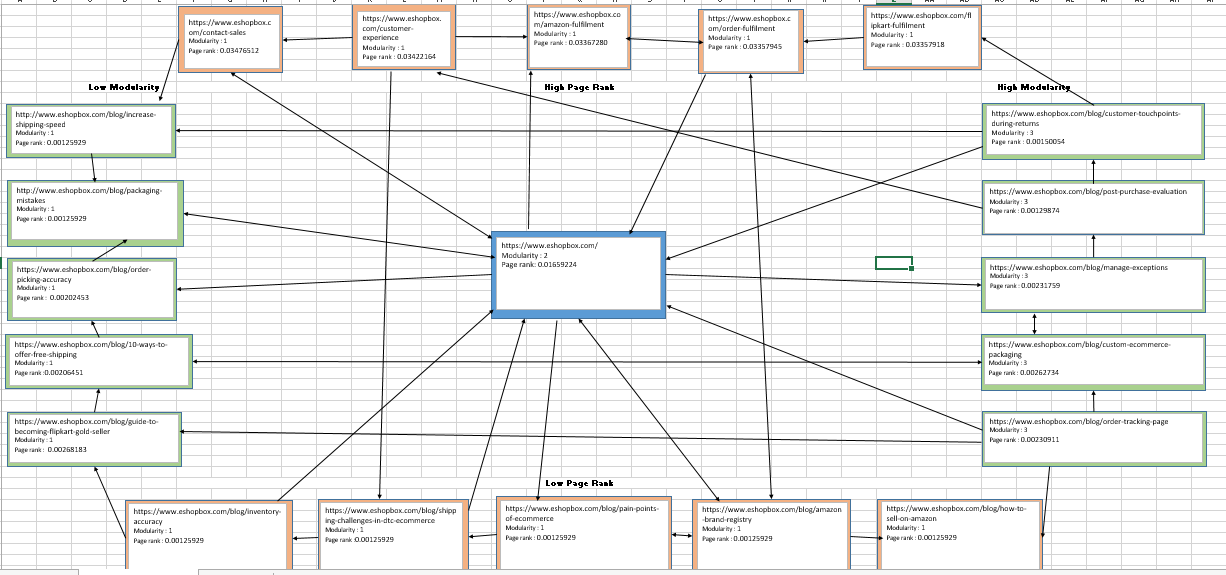
Need to segregate the web pages according to their modularity and PageRank.
Next, we need to do the hyperlink to balance the overall website.
2. Indexing and relevance thresholds will increase
Reason:
A bloated web creates the need for unique value to be added to the web with real-world expertise and organizational signals. The knowledge domain terms, or PageRank, will be important in the future of a web source.
How to prevent::
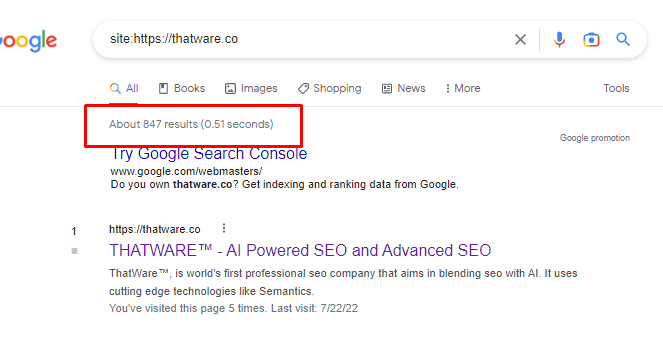
Need to index all the pages properly on Google SERP.
Google index value is 847.
Daily crawl rate: 341
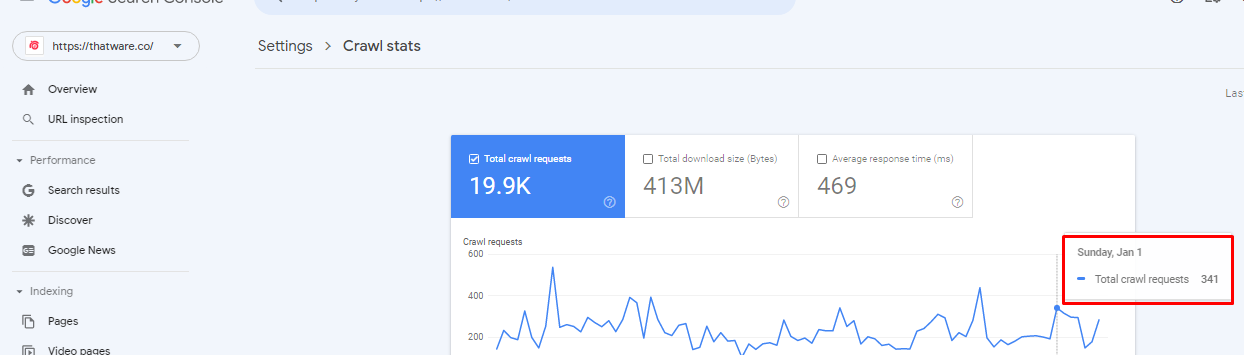
Crawl budget = (Site Index value) / (Single day crawl stat)
The ideal score is as follows:
1. If the Crawl budget is between 1 – 3 is Good
2. If the Crawl budget is 4 – 10 is bad and needs fix
3. If the crawl budget is 10+ then its worst and needs immediate technical fixes
As per the calculation,
Crawl budget for https://thatware.co = 847/341 = 2.48
Crawl Budget Comparison:
The score for https://thatware.co is 2.48 which is in the ideal zone of 1 – 3.
Summary:
Hence, the campaign https://thatware.co is optimized by crawl budget, but needs to increase daily crawl pages.
3. AI and automation filters will be created
Reason:
Google needs to filter the websites that publish 500 articles a day on multiple topics to find non-expert websites. This is already happening.
How to prevent:
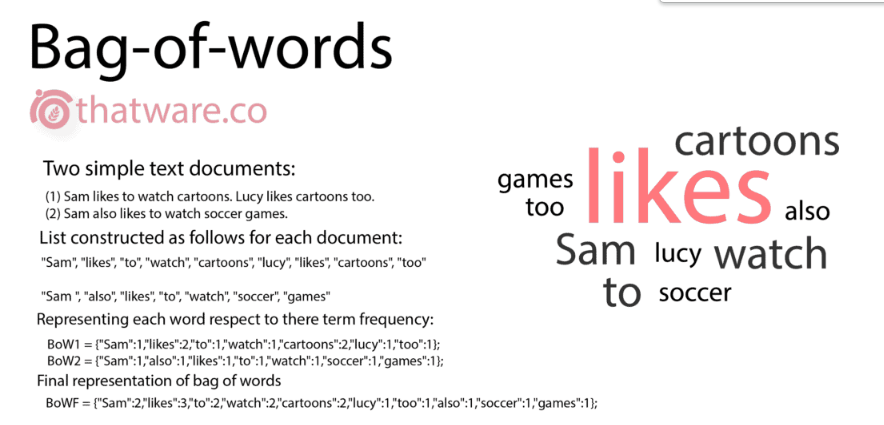
Need to use “Bag of Words” technique to find out relevant topics and keywords.
4. Google will start to make mistakes in filtering websites that use spam and AI
Reason:
The need for AI-generated content filtration forced Google to check and audit “momentum”, in other words, content publication frequency. I used the “momentum” first in TA Case Study.
How to prevent:
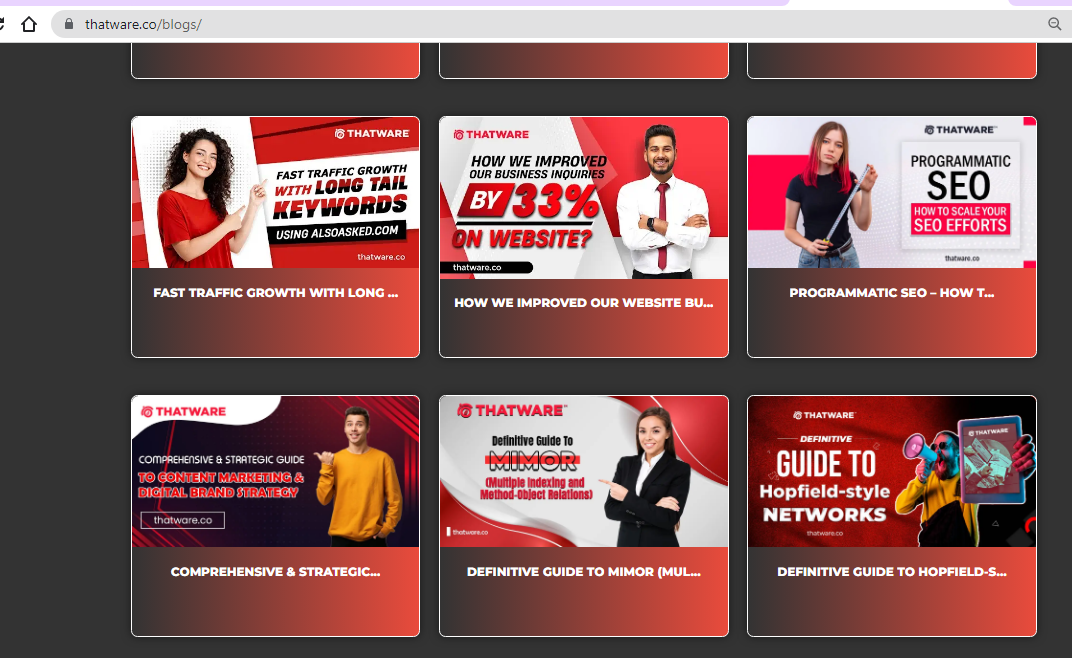
We are posting weekly basis blog based on the trending topics.
How to prevent:
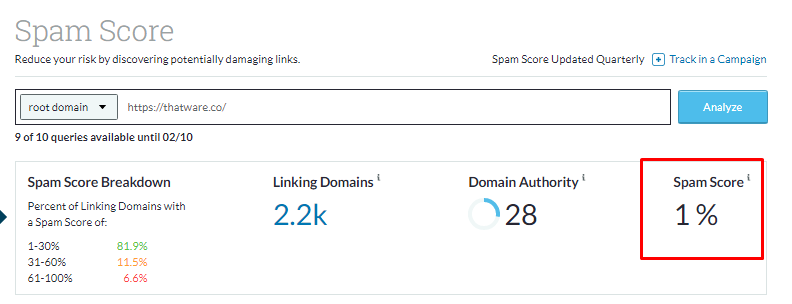
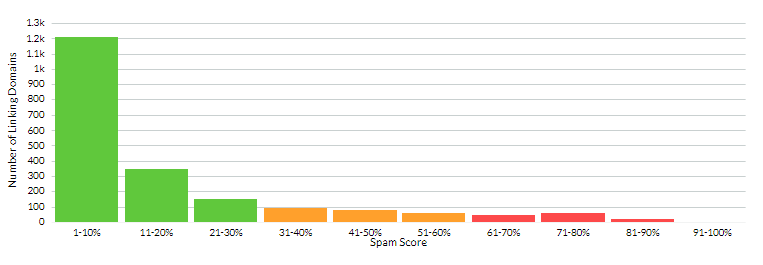
Always try to maintain a low Spam score for the website to improve the website’s authority.
5. Google uses Author Vectors, and Author Recognition
Reason:
LLMs use certain types of language styles and word sequences by leaving a watermark behind them. It is easy to understand which websites do not use a real expert for their articles, and content to differentiate.
How to prevent:
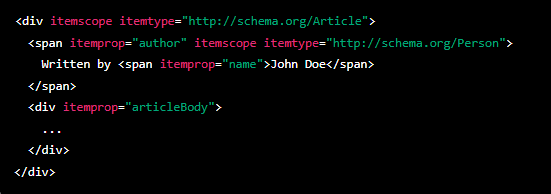
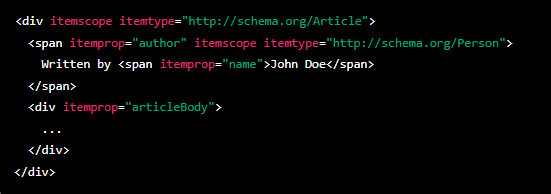
When search engines find author markup on a webpage, they can use it to display the author’s name in the search results, along with other information such as the author’s Google+ profile, which can help increase the visibility and click-through rate of the webpage in search results.
This example defines an Article item with an author property whose value is a Person item with a name property.
6. Microsemantics will be the name of the next game
Reason:
The bloating on the web will create bigger web document clusters, and being a representative source will be more important. Thus, micro-differences inside the content will create higher unique value.
How to prevent:
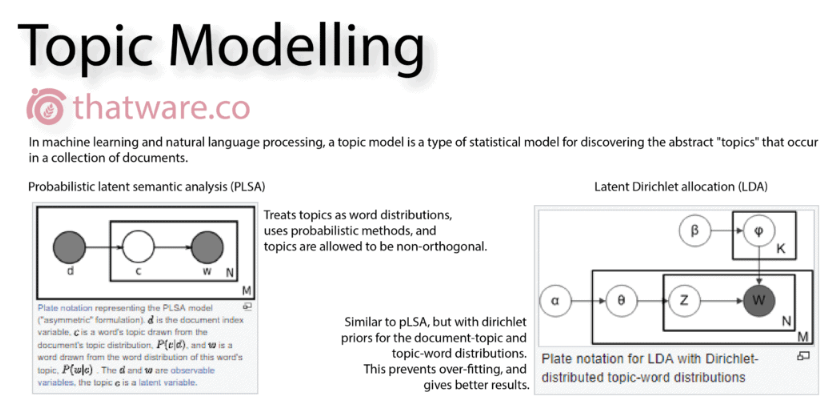
This algorithm is basically used to discover topic clusters which occur within a collection of the corpus of a document set. This is a customized modelling set where the principal algorithm which is used are namely LDA and PLSA.
In the SEO world, topic modelling is widely used for specifying the intent behind the content. This is very important, especially for the rank brain algorithm
7. Custom LLMs will be rented
Reason:
Custom and unique LLMs will be trained and rented to the people who try to create 100 websites with 100,000 content items per website. NLP in SEO will show its true monetary value.
How to prevent:
Need to use “NLP” technique to find out relevant topics and keywords.
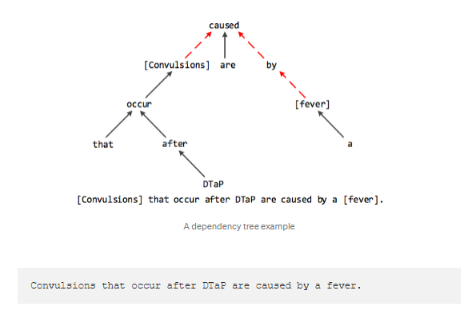
Natural Language Processing (NLP) is a subfield of artificial intelligence that deals with the interaction between computers and human language. In the context of search engine optimization (SEO), NLP techniques can be used to understand the meaning and intent of the text on a webpage, as well as the intent of users’ search queries.
One of the ways that NLP is used in SEO is to analyze the text on a webpage and extract relevant keywords and phrases. This information can be used to optimize the content of the webpage so that it is more likely to appear in search results for relevant queries.
8. Advanced Semantic SEO will be a must for every SEO
Reason:
20 years of websites will lose their rankings to the new websites that come with 60,000 articles. This creates the need for advanced Semantics and Linguistics capabilities for SEOs.
How to prevent:
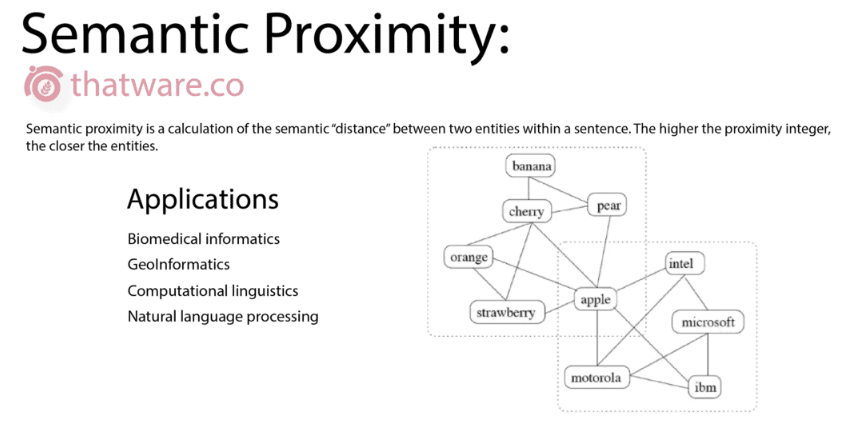
Need to use “Semantic proximity” technique to find out relevant topics and keywords.
Semantic proximity measures the distance between similar words or searches terms within a specific document set. It works on a different algorithm which is known as Euclidean cosine.
In seo, semantic proximity is very important. As per generic rule – each of the semantic keywords within a document set should be equally spaced and balanced.
9. Cost-of-retrieval will be a base concept for SEO, as TA
Reason:
TA explains a big portion of how the web works. Information Responsiveness and Cost-of-retrieval will complete it further.
How to prevent:
In a downturn, you must study your clients’ behaviour, examine their demands, use a scalpel rather than a cleaver to cut your marketing budget, and quickly modify strategy and product offers. One of the most significant advantages of SEO is that it allows you to predict your marketing spending based on keyword research. It allows you to determine what consumers are looking for, how much they can spend, and where they can spend it. Search engine optimization allows you to identify changing consumption trends and tailor your marketing tactics accordingly. Investing in SEO services is thus a wise decision.
10. Google Keys
Reason:
The biggest Google leak after Quality Rater Guidelines already happened previously. And, We will be involved, but no more information, for now, We are not allowed to share more.
11. Semantic Content Networks and Vocabulary Richness
Reason:
The Content Network’s expertise will be understood with the word sequences, and vocabulary richness. Experts use more unique words compared to non-expert authors. Shaping content networks with semantics and programs will be standard practice for SEOs.
How to prevent:
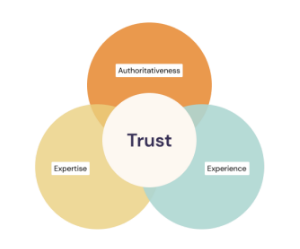
E-E-A-T stands for experience, expertise, authoritativeness and trustworthiness and relates to how Google ranks webpages in the search engine results pages (SERPs).
E-E-A-T (the artist formerly known as E-A-T) derives from Google’s Search Quality Rating Guidelines which is designed to establish what it takes to create a good-quality website with strong ranking potential.
12. Google Loses its Patience
Reason:
For a long time, I and many other people play with AI websites, and we realized that even if everything is legit and perfect, they would still remove the website. Once: We even didn’t use AI, everything was human-written, but we published too many articles at once, Microsoft Bing removed the entire website, and Google algorithmically demoted it.
How to prevent:
Need to add proper article schema markup to secure your website’s content from copyright.
Article schema markup is a type of structured data that can be added to the HTML of a webpage to provide search engines with information about the content of the page. This information can include the headline, author, date published, and other details about the article. Markup can be added using the schema.org vocabulary, and there are several different types of schema markup that can be used for articles, such as NewsArticle, BlogPosting, and ScholarlyArticle.
13. Google’s Core Cost Structure May Shift
Reason:
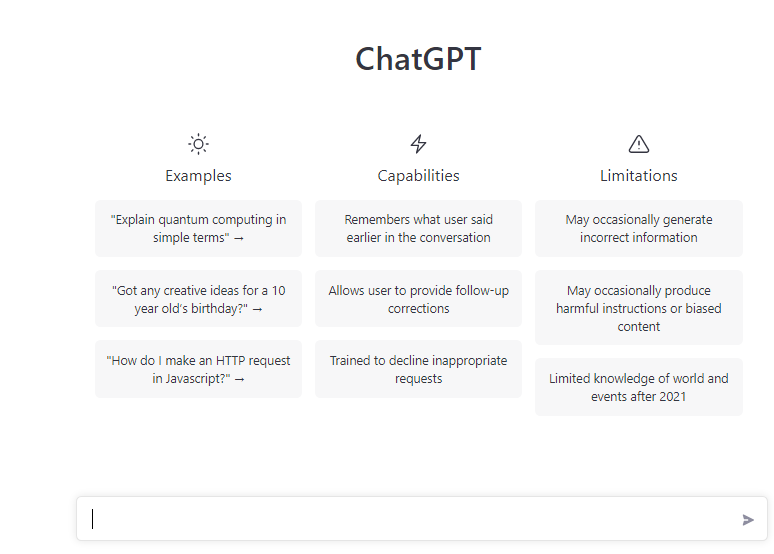
Google’s largest operational expense has traditionally been data center cooling and infrastructure maintenance. However, training and deploying large language models (LLMs) at scale, capable of serving billions of users in real time, introduces a new layer of cost pressure. Fully free, high-performance AI-powered search may not be sustainable indefinitely. As a result, paid Google tiers, premium features, or subscription-based enhancements across Google products and apps may emerge.
14. SEOs and Digital Marketers May Rely Too Heavily on Automation
Reason:
As AI tools simplify content creation, analysis, and execution, many SEOs and marketers may fall into the trap of over-automation. While efficiency increases, critical thinking, experimentation, and deep search engine understanding risk being deprioritized.
15. Fewer but Highly Relevant Backlinks Will Outperform Volume
Reason:
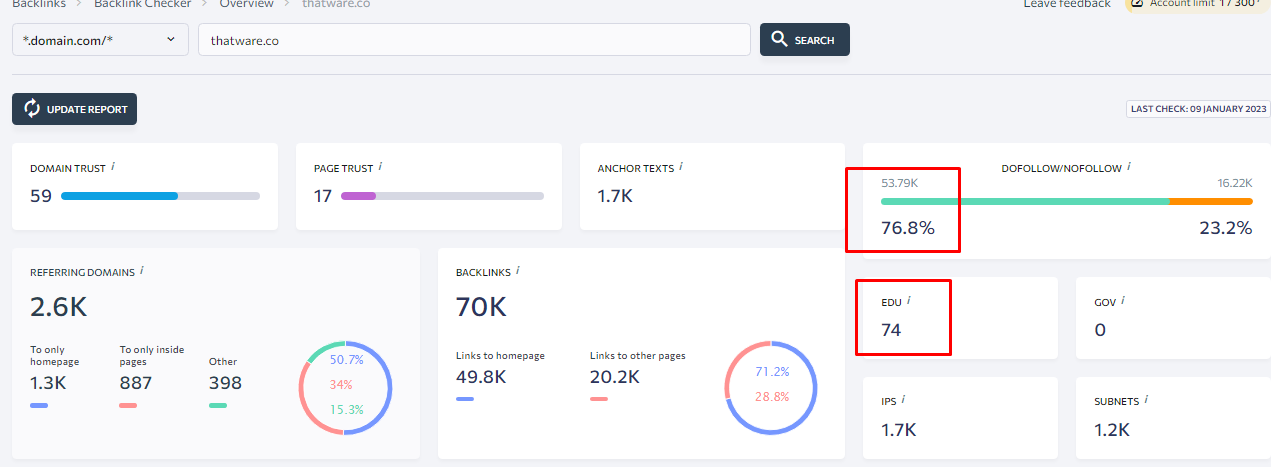
Spam-heavy link profiles often show high velocity but low contextual relevance. Search engines increasingly reward curated, authoritative signals aligned with 2E-A-T over sheer PageRank accumulation. Quality, relevance, and contextual placement now outweigh raw link quantity.
How to adapt:
Invest in digital PR and brand-driven mentions rather than bulk outreach
Prioritize editorial links from trusted, topic-aligned sources
Focus on link context, anchor relevance, and surrounding entities
16. Threshold Manipulation via Spam Will Increase
Reason:
There are observed cases where aggressive tactics, such as redirecting dozens of expired domains or deploying sudden PBN link bursts, temporarily outperform cleaner sites. This exposes both an SEO shortcut and a growing challenge for search engines.

17. Brand Signals Will Carry Greater Ranking Weight
Reason:
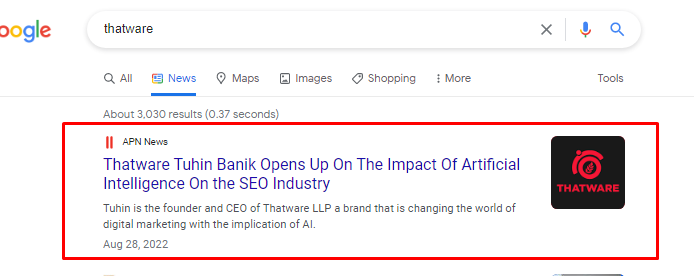
As web content expands uncontrollably, brands act as trust shortcuts. Strong brand indicators, social presence, unique visuals, product ecosystems, reviews, and branded search demand, reinforce 2E-A-T and reduce algorithmic uncertainty.
Action points:
Align content, visuals, and messaging across channels
Build consistent brand mentions across authoritative platforms
Encourage branded searches and direct traffic



18. Responsiveness Will Outweigh Traditional Relevance
Reason:
Modern search engines rank documents based on how well they respond to user needs, not just keyword relevance. Improved information extraction allows systems to measure satisfaction, completeness, and intent fulfillment.
How to prevent:
Optimize content around intent resolution, not keywords
Structure answers clearly and directly
Address follow-up questions within the same document
19. Passage Indexing Will Gain Strategic Importance
Reason:
Although often misunderstood, passage indexing reflects Google’s ability to extract value from fragmented or long-form content. It highlights infrastructure shifts toward granular relevance scoring rather than page-level assumptions.
Best practices:
1. Maintain clear passage length and logical word counts
2. Use descriptive H2/H3 headings
3. Apply valid schema markup
4. Include contextual images and avoid disruptive anchors
20. Google Will Continue Launching New LLMs
Reason:
With models like CaLM introduced at NeurIPS 2022, Google is aggressively pursuing cost-effective NLP leadership. These innovations will influence broad core updates, causing ranking volatility.
How to stay resilient:
- Focus on clarity, context, and factual precision
- Align content with how BERT-style models interpret meaning
- Avoid over-optimization tactics tied to single algorithms
21. NLP Benchmarks Will Expand Rapidly
Reason:
Current NLP benchmarks cover roughly 2,000 tasks, but this number is expected to exceed 4,000. More benchmarks mean more nuanced evaluation of language understanding, relevance, and factual accuracy.
How to prevent:
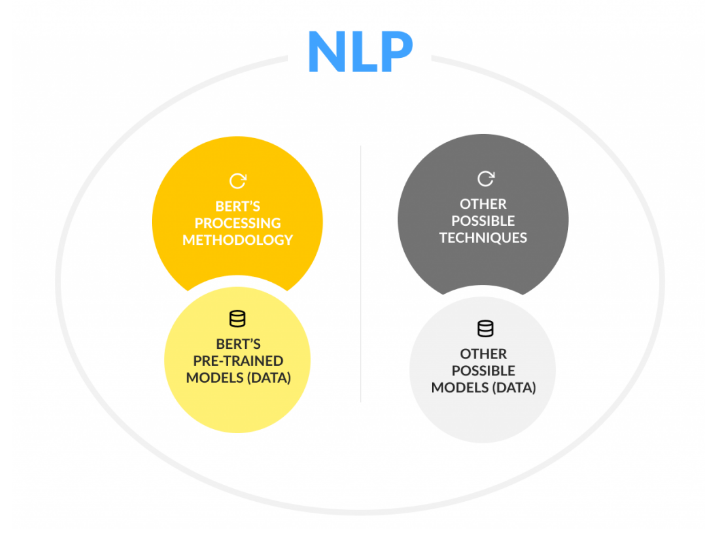
To identify relevant topics and keywords effectively, it is essential to leverage Natural Language Processing (NLP) techniques. NLP is a subfield of artificial intelligence that focuses on enabling computers to understand, interpret, and process human language in a meaningful way.
Within the context of Search Engine Optimization (SEO), NLP techniques help analyze both webpage content and user search queries to uncover underlying meaning, context, and intent. Rather than relying solely on exact-match keywords, NLP allows search engines to evaluate semantic relationships, entity associations, and contextual relevance.
By applying NLP-driven analysis, SEOs can identify topic clusters, uncover semantically related keywords, and align content more closely with user intent. This results in content that is not only more discoverable in search results but also more responsive to how users naturally search for information.
22. Foundational NLP Knowledge Will Become Mandatory
Reason:
Even basic NLP principles, syntax, semantics, entity roles, enable SEOs to create clearer, more responsive content. As AGI systems evolve, NLP literacy becomes a competitive necessity.
23. Search Engines Will Handle Long-Form Questions Better
Reason:
At present, search engines are far more effective at understanding and responding to short, fact-based or trivia-style questions than complex, long-form queries. However, with continuous advancements in Natural Language Processing (NLP) benchmarks and evaluation frameworks, this limitation is gradually diminishing. As NLP models improve, search engines are becoming better equipped to process longer, more nuanced questions that include context, conditions, and declarative elements.
This shift enables long-form content to be structured around granular, situation-specific questions and answers, improving clarity and depth. Long-form questions typically combine an inquiry with a contextual declaration, requiring search engines to interpret intent beyond isolated keywords.
How to prevent:
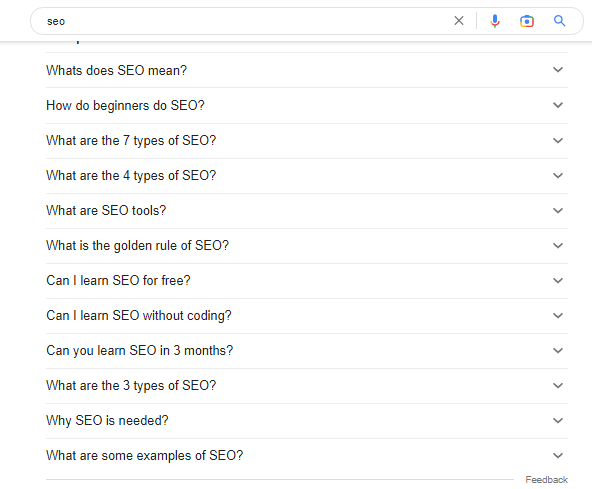
The “People Also Ask” (PAA) feature, sometimes referred to as “Related Questions”, is a user interface element within Google search results that displays a set of questions commonly asked by users around the same topic. These questions are generated algorithmically based on the initial search query and reflect real user interests and intent patterns.
By analyzing PAA questions, content creators can identify high-value subtopics, uncover contextual query variations, and structure their content to directly address user concerns. Incorporating these related questions and their answers into content helps improve relevance, enhances user satisfaction, and increases the likelihood of better visibility in search results.
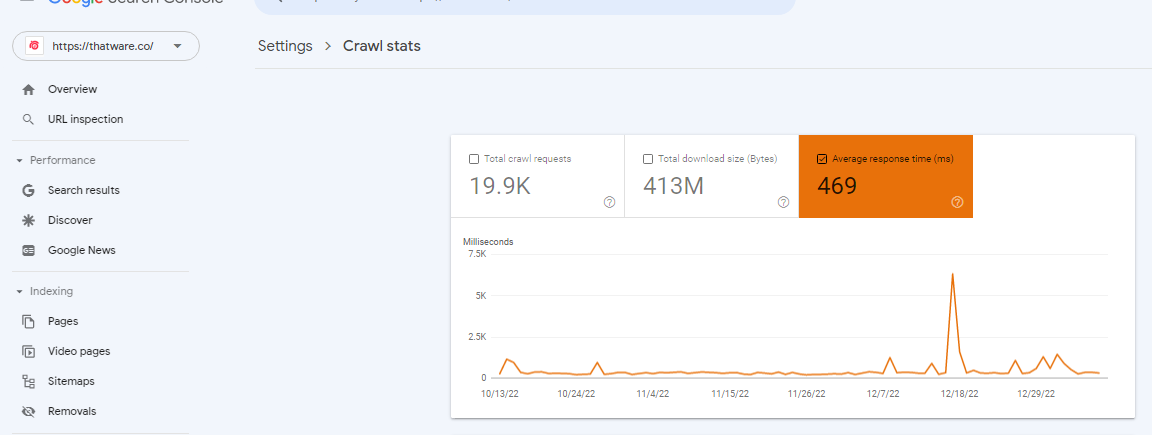
24. Higher Response Times become more important
Reason:
As the web continues to expand and become increasingly bloated with content, search engine crawling systems are required to consume more computational and infrastructure resources. In this environment, websites with faster server response times gain a competitive advantage. Pages that respond quickly are more likely to be prioritized for crawling, indexing, and evaluation, allowing search engines to process them more frequently and efficiently.
Search engines aim to optimize their crawl budgets, and faster response times reduce resource consumption, making such websites more favorable candidates for regular crawling and faster updates in search results.
How to prevent:
Focus on optimizing the average page response time, which measures how long it takes for a server to return the initial HTML content in response to a crawl request. This metric does not include the loading of page resources such as images, scripts, stylesheets, or rendering time.
By improving server performance, optimizing backend processes, and ensuring efficient hosting infrastructure, websites can maintain low response times. An optimized average page response time helps ensure better crawl prioritization, faster indexing, and improved overall search visibility.
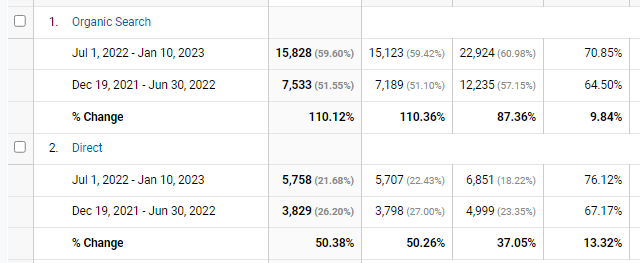
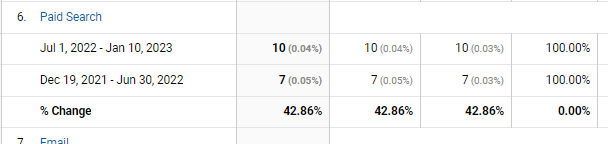
25. SEO becomes more expensive and luxurious
Reason:
Even if organic search generates free traffic, SEO campaigns are already expensive. With the increased competition and the “Comparative Ranking” principle, the base costs for SEO campaigns will be higher.
26. The NLP and SEO markets mostly unite
Reason:
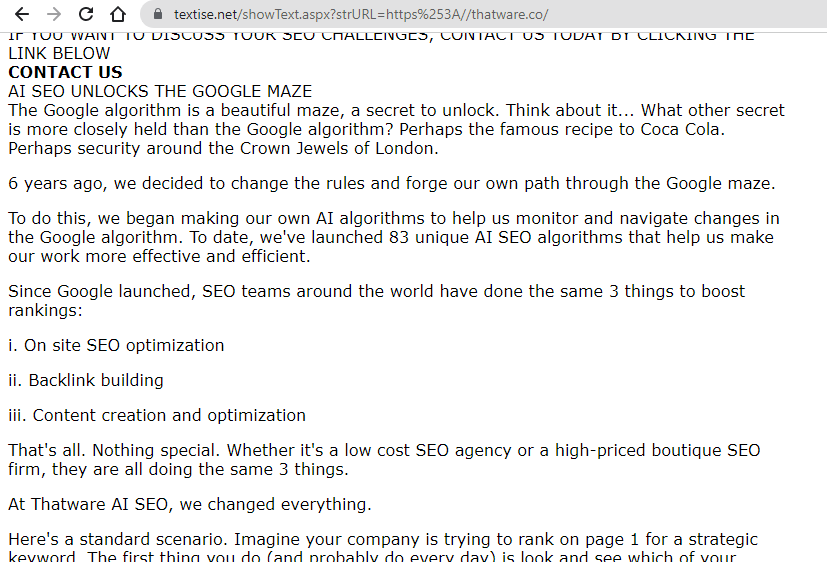
The NLP Engineers already work in SEO businesses. I have even seen ex-Googlers go for NLP-related businesses that involve SEO. The semantic component of SEO will include NLP market products such as chatbots and text analysis.
How to prevent:
Always try to visible your webpage content crawl bot, So, Google also understands the intent of the page.
And, also design the website with a proper Chatbot. It will convert the relevant users according to their requirements.
27. Brand SERP becomes the default SEO
Reason:
As the father of Brand SERP, @jasonmbarnard explains, the Brand SERP will become the first and most critical touchpoint between a brand and its potential customers. As a result, managing Brand SERPs will become a default responsibility within SEO practices.
How to mitigate:
Consistent brand mention links and authoritative brand references must be built to strengthen and control the Brand SERP appearance.



28. Knowledge Panel Management as a Core SEO Practice
Reason:
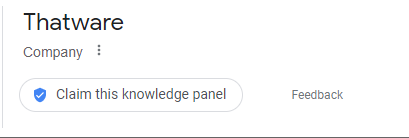
Defining a brand using structured, factual data increases authority and reputation in the eyes of search engines. Managing how a brand is represented within Google’s Knowledge Panels will become a standard SEO requirement, allowing brands to shape how they are interpreted by search engines.
29. Visual Presence and YouTube Ownership Gain Importance
Reason:
Showing the human face behind a brand and establishing audio-visual connections with audiences supports 2-E-A-T signals and web-entity-based optimization. A website alone is not equivalent to a recognized web entity, making visual platforms like YouTube increasingly important.

30. Rise of Multiple Search Engines
Reason:
Advancements in NLP and improved algorithms have lowered the barrier to creating search engines. As a result, platforms such as Microsoft Bing, You, Neeva, and Ecosia are becoming increasingly relevant.
How to mitigate:
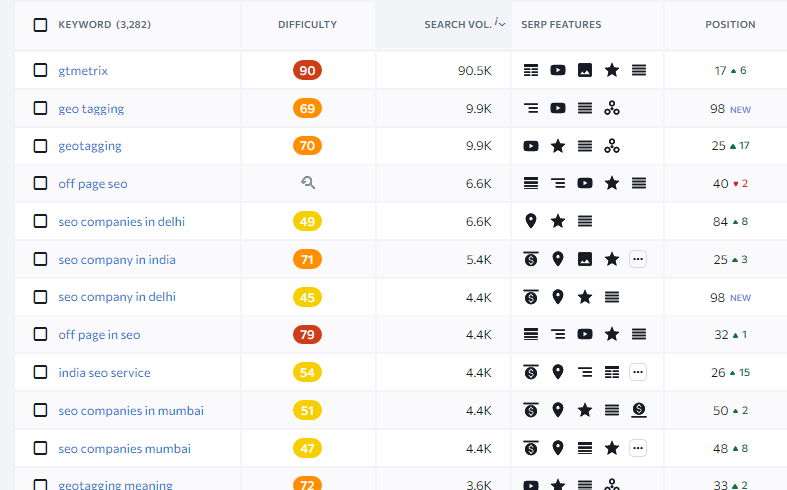
Identify high-search-volume keywords ranking on Google SERPs.
How to prevent:
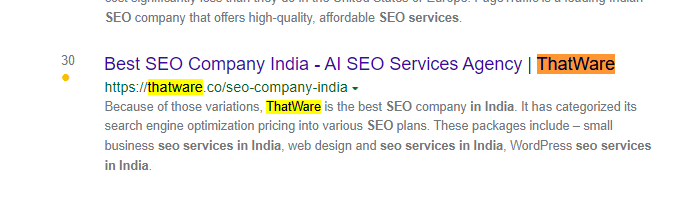
Identify high-search-volume keywords ranking on Bing SERPs.
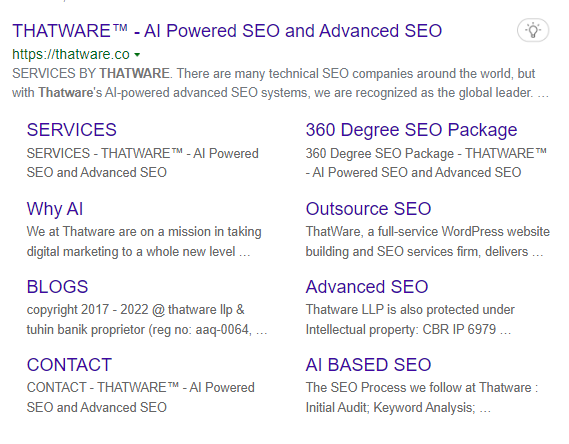
Identify high-search-volume keywords ranking on DuckDuckGo SERPs.

31. Identify high-search-volume keywords ranking on DuckDuckGo SERPs.
Semantic SEO focuses on delivering meaningful results by understanding the intent behind search queries rather than relying solely on keywords. Semantic search connects queries with contextualized information, improving user satisfaction.
To achieve strong visibility and rankings, websites must optimize landing pages and content using AI-driven systems related to semantic search, information retrieval, and natural language processing.
32. Rising Skill Baseline for SEO Professionals
Reason:
While SEOs already possess diverse skill sets, future success will demand a deeper understanding of how search engines function and the ability to analyze search engine engineers’ constraints and decision-making frameworks.
33. Coding Knowledge Becomes Increasingly Valuable
Reason:
Although AI systems like ChatGPT can generate code, individuals with coding knowledge can create better prompts and integrate multiple systems more effectively.
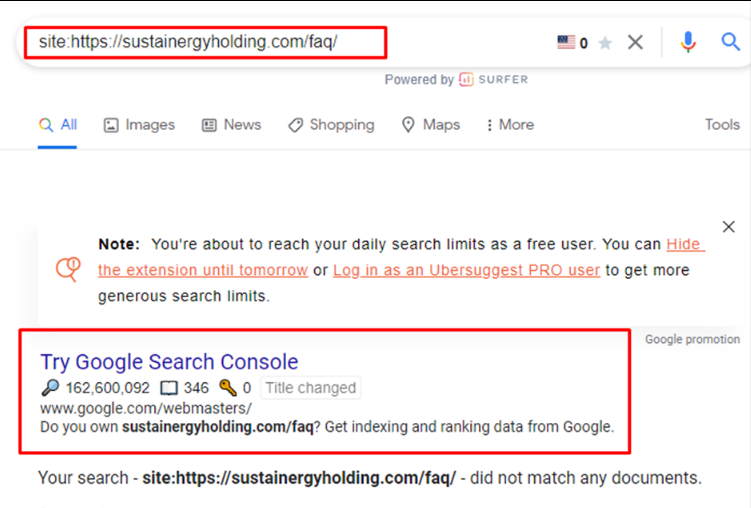
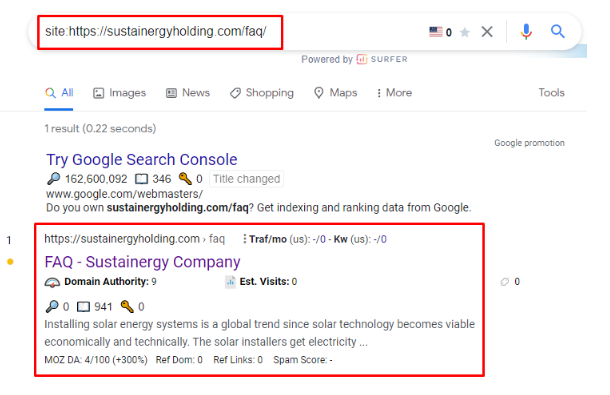
APIs (Application Programming Interfaces) enable software systems to exchange data and function cohesively. Understanding tools like the Google Indexing API using Python allows SEOs to accelerate indexing and improve technical outcomes.
For example, a URL that was not indexed on 16.02.2022 became indexed on 17.02.2022 after executing a Python-based SEO indexing program.
Before:
After:
34. AI Content Editing Emerges as a New SEO Discipline
Reason:
Referred to as “Algorithmic Authorship,” this role focuses on refining AI-generated content to ensure accuracy, originality, clarity, and improved sentence structures. Editing AI output will become a specialized SEO function.
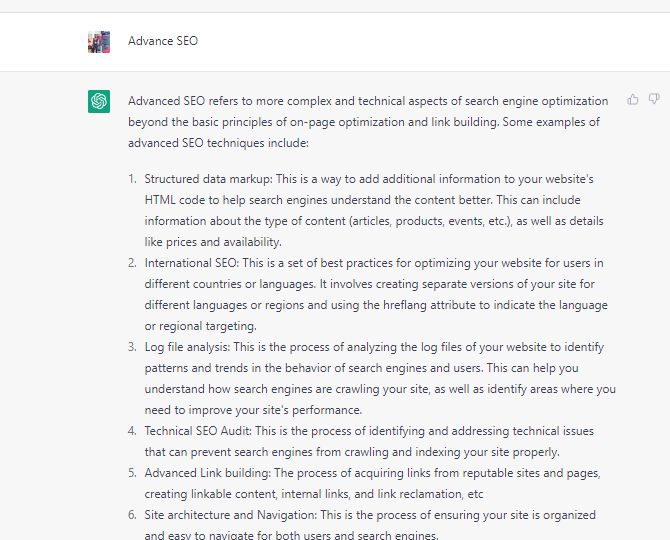
35. Evolution of Multiple Algorithmic Authorship Frameworks
Reason:
Linguistic elements such as punctuation, tone, sentence structure, sequencing, comparisons, and conjunctions will be governed by diverse authorship frameworks.
Google search operators will continue to play a role in refining search intelligence, including:
“site:” – This operator allows users to search for pages indexed within a specific website. For example, using “site:example.com” will display all pages from example.com that Google has indexed.
“filetype:” – This operator is used to locate specific file formats, such as PDF or Excel documents. For instance, “filetype:pdf” returns only PDF files that are relevant to the search query.
“intext:” – This operator searches for a particular word or phrase within the main body content of a webpage. For example, “intext:example” will surface pages where the word “example” appears in the page text.
“inurl:” – This operator helps find pages that contain a specific word or phrase within their URL. For example, “inurl:example” will return pages whose URLs include the term “example.”
“define:” – This operator is used to retrieve the definition of a word or phrase. For example, “define:example” will display the definition of the term “example.”
“cache:” – This operator shows the most recent cached version of a webpage stored by Google. For instance, “cache:example.com” reveals the last version of the site that Google indexed.
“related:” – This operator identifies websites that Google considers similar to a specified URL. For example, “related:example.com” will return a list of sites related to example.com.
36. Unique Visual Assets as Strong 2-E-A-T Signals
Reason:
Elements that are difficult to replicate serve as stronger differentiation signals in machine learning systems. Unique visuals and original imagery are harder to produce than text, making them more valuable indicators of authenticity and expertise.
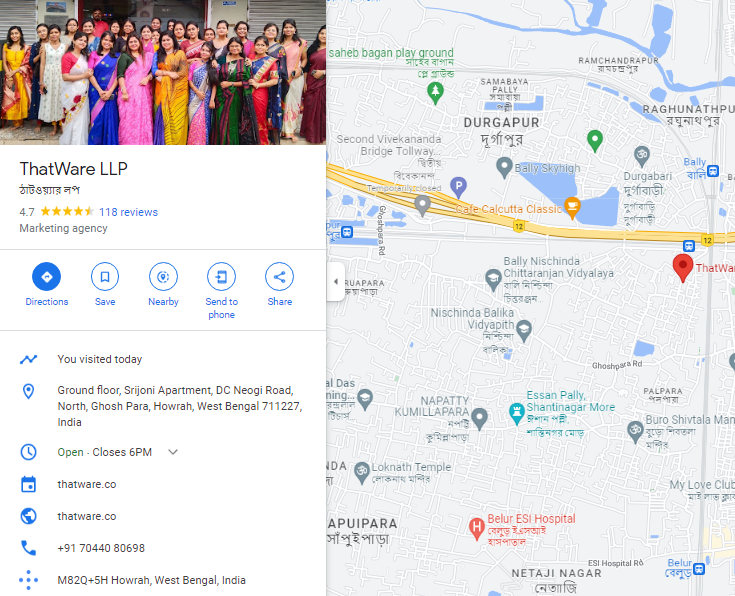
37. Increasing Importance of Google Business Profiles
Reason:
Google Business Profiles aggregate extensive business data, user feedback, and engagement signals. New features, integrations with Google Discover, and surface-level promotions will further elevate their importance.
38. Narrow Topical Focus Gains Advantage Over Broad AI-Driven Sites
Reason:
Websites with overly broad topical coverage risk diluting ranking signals. In contrast, sites with deep, narrowly focused topical authority can outperform high-authority but unfocused competitors.
39. Combating Content Decay
Reason:
Content decay occurs when information becomes outdated or stale. Modern search engines require richer, continuously updated contextual content. Even high-performing articles must be refreshed to maintain relevance.
40. Prioritizing Information Gaps Over Search Volume
Reason:
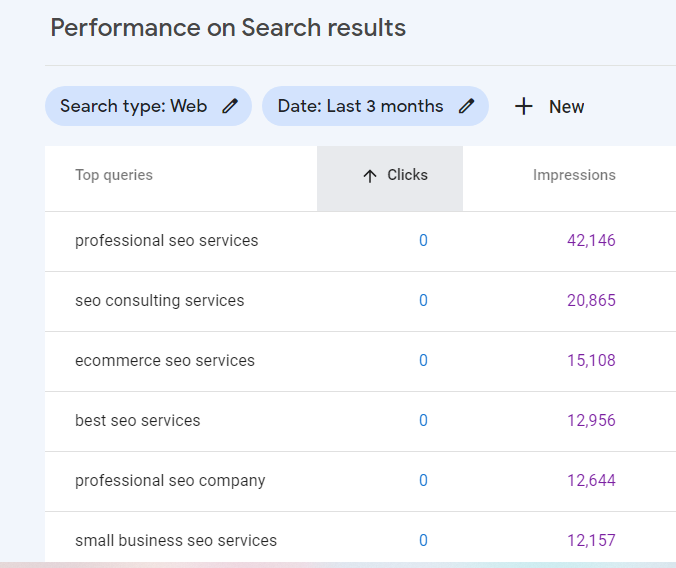
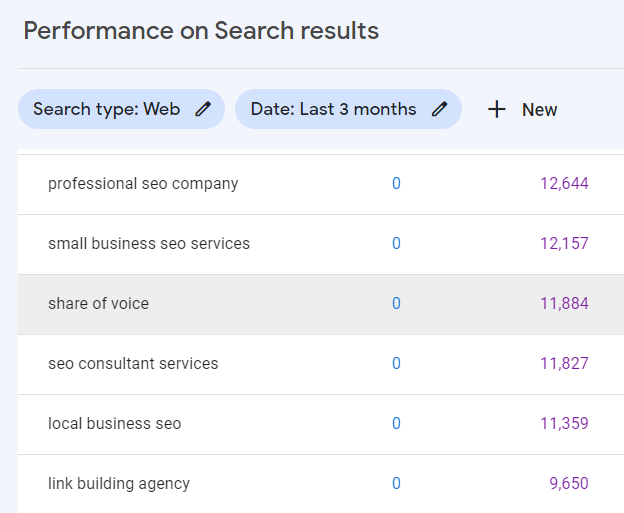
Filling information gaps is more valuable than targeting high-volume queries alone. Zero-search-volume queries often generate strong impressions and future demand. Publishing accurate information before competitors, using expert authors rather than relying solely on AI, creates lasting authority.